Show summary Hide summary
Summary:
- Meet Brussels through its calm, characterful neighbourhoods.
- Find authentic Belgian food in places locals actually enjoy.
- Explore art nouveau and modern culture without rushing.
- See why Brussels works so well for a short, relaxed escape.
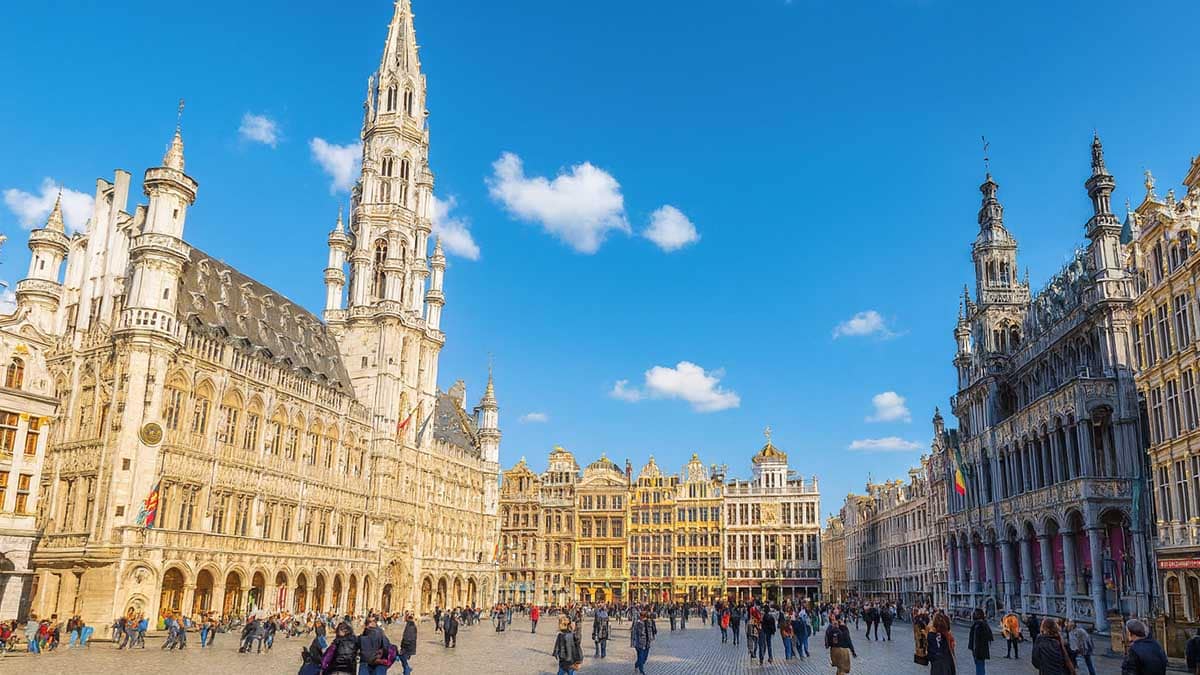
Travellers often think they know Brussels before arriving. They picture the Grand-Place glowing at dusk, waffle stands filling the streets and an iconic statue drawing consistent crowds. Yet the city changes the moment you drift away from these familiar scenes. A bakery opens its doors, releasing warm scents into a quiet street, and a small group of neighbours chats outside a café where the menu hasn’t changed in years. The architecture shifts too. Iron balconies curl like vines and windows catch sudden bursts of light. These small details form the Brussels that locals move through every day, a version shaped by ordinary moments rather than postcards.
This guide looks at the city through that lens. It shows a Brussels that feels lived-in and welcoming, a place where cultural discovery mixes naturally with calm breaks and wandering on foot. You’ll explore neighbourhoods that tell their own stories, find places where people settle without hurry and understand why Brussels suits travellers who enjoy balance and subtlety. Let’s dive in.
Bhutan: the country that quietly slows you down (and you’ll thank it for)
Europe in 2026: the trips worth planning around real dates
Brussels, quietly surprising when you slow down
Brussels carries a reputation that doesn’t quite reflect its daily rhythm. From afar it appears structured and institutional, but a slow walk reveals a softer world. You might turn into a lane where laundry hangs between windows or pass a florist setting up bouquets along the pavement. A tram rattles by, filling the air for a moment, then everything falls silent again. These fragments create a city that feels gentle and unforced.
Walk ten minutes from the Grand-Place and the atmosphere changes. Languages blend naturally. People cycle past carefully parked cars, and the general pace becomes unhurried. Brussels doesn’t try to impress you. It simply lets you notice it one small detail at a time, which makes each discovery feel quietly genuine.
Neighbourhoods that shape the city’s personality
Brussels is a collection of small worlds stitched together. Each district sits close to the next, yet each one shifts the tone of your visit.
Saint-Gilles
Saint-Gilles is lively without being loud. Streets curve gently uphill, revealing rooftops and distant towers. Cafés open early and locals greet staff like old friends. Bakeries fill their counters with pastries that disappear long before noon. Art nouveau façades appear in unexpected places, giving the neighbourhood a warm, lived-in elegance.
Ixelles
Ixelles moves at a calmer pace. The ponds mirror the sky, benches invite quiet pauses and narrow paths lead to small cultural spaces or hidden courtyards. The cafés around Flagey fill slowly through the afternoon, bringing together students, families and older residents. It feels steady, grounded and comfortably local.
Dansaert
Dansaert has sharper edges. Boutiques, vintage shops and minimalist galleries sit side by side. It’s creative but never intimidating. A single street might shift from quiet residential doors to bold storefronts displaying handmade pieces. Walking here feels like stepping through a curated yet approachable mix of influences.
What this means for you
These districts are close enough to explore in a single outing. No need for a complex route. You simply follow the streets that interest you, pause when something catches your eye and enjoy how naturally the city guides your steps. Brussels invites you to wander without pressure.
Architecture that speaks softly yet stays with you
Brussels is one of the best places to appreciate art nouveau in everyday form. Victor Horta’s influence is easy to spot. Curved balconies, flowing ironwork and carefully crafted details appear across entire streets. Many houses remain modest, but the architectural touches give them a quiet personality that stands out when you look closely.
Where to see it
- Horta Museum: a thoughtful look inside the architect’s home and studio.
- Residential streets in Saint-Gilles and Ixelles: elegant details in ordinary houses.
- Galeries Royales Saint-Hubert: a covered passage where glass and iron meet gracefully.
Brussels doesn’t separate the old from the new. A sleek gallery might sit inside a century-old building. A cosy tavern might hide behind an ornate façade. It feels natural, practical and pleasantly unpretentious.
Eating well in Brussels without chasing clichés
Belgian food is often reduced to a few icons, but locals enjoy it in simple, grounded ways. You don’t need to follow the crowds. Good fries, pralines or beers are found in quieter streets and small family-run places where the atmosphere is warm rather than staged.
Local tip
Look for brasseries with handwritten menus and straightforward dishes. Portions are generous, flavours are familiar and the welcome is genuine. These are the places that show the everyday side of Belgian cuisine, a side that feels comforting and honest.
Ideas worth exploring
- Fries from neighbourhood kiosks served in paper cones.
- Pralines from small chocolatiers working with new textures.
- Belgian beers poured in long-standing taverns.
- Seasonal lunch menus built around local produce.
You’ll also find natural wine bars, plant-forward cafés and bakeries experimenting with regional grains. The mix feels balanced, modern and easy to enjoy.
Why Brussels works so well for a short, easy city break
Brussels benefits from something many capitals lack. It’s easy to navigate. Streets link naturally, signs are clear and the centre is compact enough to explore in a few hours. Public transport helps for longer distances, and cycling grows more accessible thanks to dedicated lanes.
Budget insight
Two or three days are enough to appreciate the essentials. Museum passes offer good value, cafés remain affordable compared to larger cities and parks give you quiet places to breathe. Brussels simplifies travel and makes space for unhurried moments.
| Aspect | What to expect |
| Getting around | Walkable centre, clear tram and metro lines, easy bike rentals |
| Best months | April to June for mild weather; December for festive lights |
| Time needed | 48 to 72 hours for a full stay |
| For art lovers | Art nouveau houses, modern galleries, creative collectives |
| For food lovers | A mix of classic dishes and new independent spots |
Reynisfjara right now: what changed on Iceland’s black sand beach
Europe’s 2026 travel shortlist: Madeira, Tbilisi, Milan, Glasgow
Brussels lets you shape your trip your own way. No checklist, no pressure. Just a soft and steady city that makes slow travel feel natural.
Brussels doesn’t rely on big declarations. Instead, it offers a quieter kind of charm. A weekend here can feel warm and simple. Sunlit cafés, small architectural surprises and slow walks through neighbourhood streets leave a surprisingly lasting impression. If you want a European capital that feels accessible, grounded and full of gentle discoveries, Brussels is easy to appreciate and even easier to return to.