Show summary Hide summary
Summary:
• Places where color comes from daily life, not decoration.
• Cities shaped by habit, climate, or shared decisions.
• Destinations where walking itself becomes part of the experience.
Before a trip even begins, images form in the mind. A street seen online, a facade caught in the right light, a shade that feels unfamiliar. In some cities, those impressions don’t come from landmarks but from something more ordinary and more telling: painted walls and lived-in streets.
Bhutan: the country that quietly slows you down (and you’ll thank it for)
Europe in 2026: the trips worth planning around real dates
What makes these places interesting is not the palette itself, but the reasons behind it. Color often answers practical needs or social habits, sometimes without ever being questioned. Exploring these cities means slowing down and paying attention, asking a simple question as you walk: why does this place look the way it does?
When color becomes a shared code
In several cities, color works almost like a silent local language. It helps people recognize areas, follow customs, or signal belonging, without needing explanation.
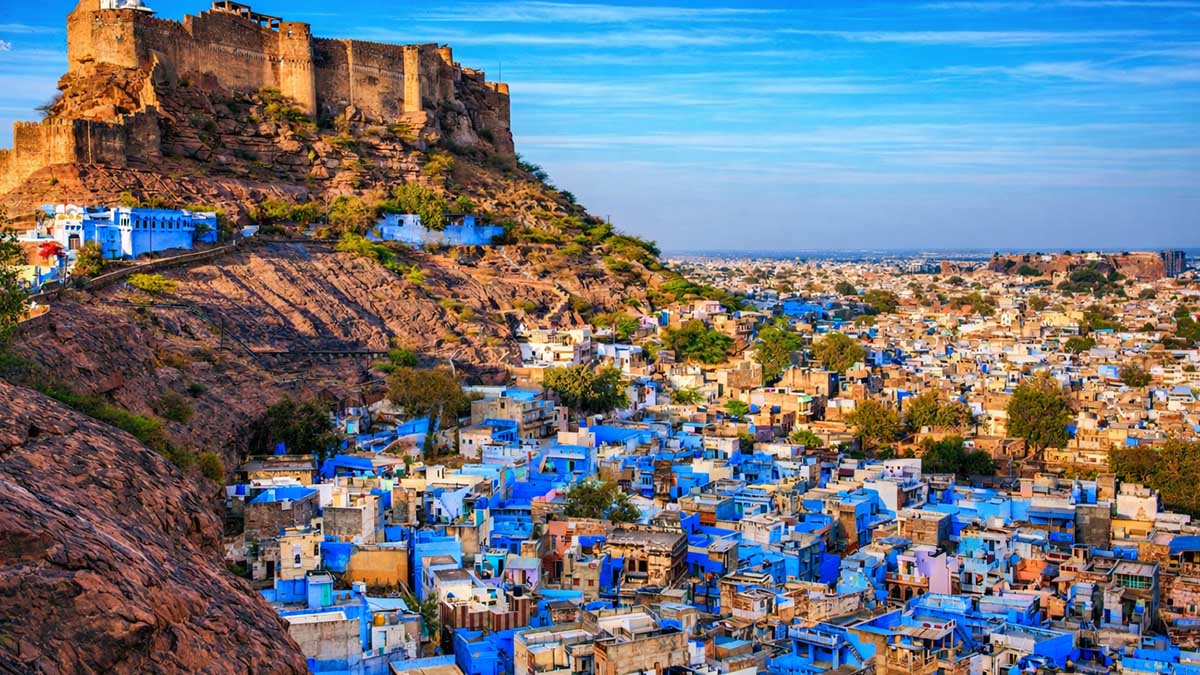
Take Jodhpur, in northern India. From above, the city appears washed in blue around its old fort. This wasn’t a stylistic project. Blue once marked Brahmin households, then spread naturally through surrounding streets. Over time, residents noticed something else: blue-painted homes stayed cooler and seemed less attractive to insects. What began as a social marker became a habit rooted in daily comfort.
In Jaipur, color followed a different path. The city was painted pink in the late 19th century to welcome a royal visit. The tone remained and later became regulated. Today, buildings in the historic center still follow this rule, giving Jaipur a visual continuity that feels calm rather than imposed.
What travelers often notice
• Color is rarely random in older cities.
• Local rules and habits shape what you see.
• Knowing the reason behind the color changes how the city is perceived.
Streets that carry memory and identity
Some neighborhoods wear color as a form of expression shaped by history, not planning.
In Bo-Kaap, Cape Town, houses climb the hillside in bright greens, blues, pinks, and yellows. The area is home to descendants of enslaved communities brought from Southeast Asia. Here, color feels personal. Each house reflects individual choice, yet together they form a shared cultural presence, visible and unapologetic.
In Salvador, Brazil, the Pelourinho district carries a heavier past. After years of neglect, restoration brought life back to its streets. Pastel facades now frame music, everyday movement, and Afro-Brazilian traditions. The colors do not soften history, they coexist with it, visible in daily life rather than hidden away.
When cities change through art and collective will
Not all colorful cities come from long tradition. Some are the result of collective decisions or creative momentum.
Valparaíso, Chile, spreads across steep hills facing the Pacific. Houses cling to slopes, stairways twist upward, and painted walls appear unexpectedly. Street art is everywhere, sometimes refined, sometimes raw. The city feels uneven but alive, shaped by people rather than symmetry.
In Pachuca, Mexico, the Palmitas neighborhood was transformed in 2015 through a large mural project covering hundreds of homes. Beyond appearance, the goal was social. The colors stitched the hillside into a single image, changing how residents and outsiders viewed the area, and creating a sense of shared space.
Then there is Júzcar, a small village in southern Spain. Painted blue for a film promotion, it was meant to return to white. Locals voted otherwise. The color stayed, not because it was ideal, but because it made sense for the town’s future.
How color shapes the way you travel
Color doesn’t just decorate cities. It changes how travelers move and remember.
On Burano, near Venice, brightly painted houses once helped fishermen find their way home through fog. That logic still holds. Streets feel readable, intuitive. You rarely feel lost, just curious, guided by color as orientation.
Reynisfjara right now: what changed on Iceland’s black sand beach
Europe’s 2026 travel shortlist: Madeira, Tbilisi, Milan, Glasgow
In Willemstad, Curaçao, warm-toned colonial buildings line the harbor. Stories differ on why white facades disappeared, but the result is clear. The city feels lighter, more relaxed, less formal than its architecture suggests, and more approachable for visitors.
A few cities and why they look the way they do
| City | Country | What shaped its colors |
| Jodhpur | India | Social habit and climate |
| Jaipur | India | Urban regulation |
| Bo-Kaap | South Africa | Cultural expression |
| Valparaíso | Chile | Street art culture |
| Burano | Italy | Navigation needs |
| Pachuca | Mexico | Community-led project |
| Willemstad | Curaçao | Colonial heritage and local narratives |
Colorful cities remind travelers that places are shaped slowly, through habit, necessity, and choice. Painted walls don’t exist to impress. They exist because, at some point, they were useful, familiar, or simply accepted.Traveling through these cities encourages a different pace. You stop rushing between sights. You start noticing streets, corners, and details. And sometimes, that is exactly how a place stays with you.