Show summary Hide summary
Summary:
- Vietnam works well in 2026 because it offers fast-changing scenery with straightforward routes.
- The north is best for Hanoi + limestone landscapes (Ninh Binh, Ha Long Bay) and, if you like walking, Sa Pa.
- Central Vietnam slows the pace with Hue’s imperial heritage and adventure options like Phong Nha.
- The south gives you Ho Chi Minh City energy, then an easy finish on Phu Quoc (or a quieter island feel in Con Dao).
- Two sample itineraries below help you build a 10 to 14-day plan without rushing.
If you’ve ever come back from a trip feeling like you visited everything and enjoyed nothing, Vietnam is your chance to do it differently. The country rewards simple choices: one city to land, one or two nature highlights, then a soft ending. You don’t need a complicated plan, you need a clean rhythm, and a few places that truly fit your mood.
This guide is built for travelers who want something usable, not a checklist. You’ll get a clear north, central, south breakdown, plus two itineraries you can copy and adjust. The guiding idea is easy: fewer stops, better days, and just enough structure to keep things smooth.
Solo female travel: a simple guide to feel safe, social, and fully yourself
Lascaux IV in 2026: the 10th anniversary dates worth planning around
Vietnam in 2026: why it feels like the sweet spot
Vietnam’s appeal is not a single landmark, it’s how quickly the atmosphere changes. In the same trip you can go from street-food mornings to quiet rivers cutting through limestone cliffs, then finish with salt air and slow sunsets. That variety matters, but what really sells Vietnam is that the variety is easy to combine without endless transfers.
The best way to plan is to pick one main thread and stick to it. North-only gives you big scenery with minimal domestic flights. North plus central adds a calmer cultural chapter. North plus south plus an island gives you city energy and a clean “exhale” at the end. Whatever you choose, the win is the same: a trip that feels full, not frantic.
North Vietnam: the route that delivers the “wow” quickly
Hanoi is a strong first stop because it helps you find your pace. You can walk around lakes, eat well without trying too hard, and get comfortable before you head into the countryside. It’s also a practical hub, so you can keep your first days simple and grounded instead of constantly moving.
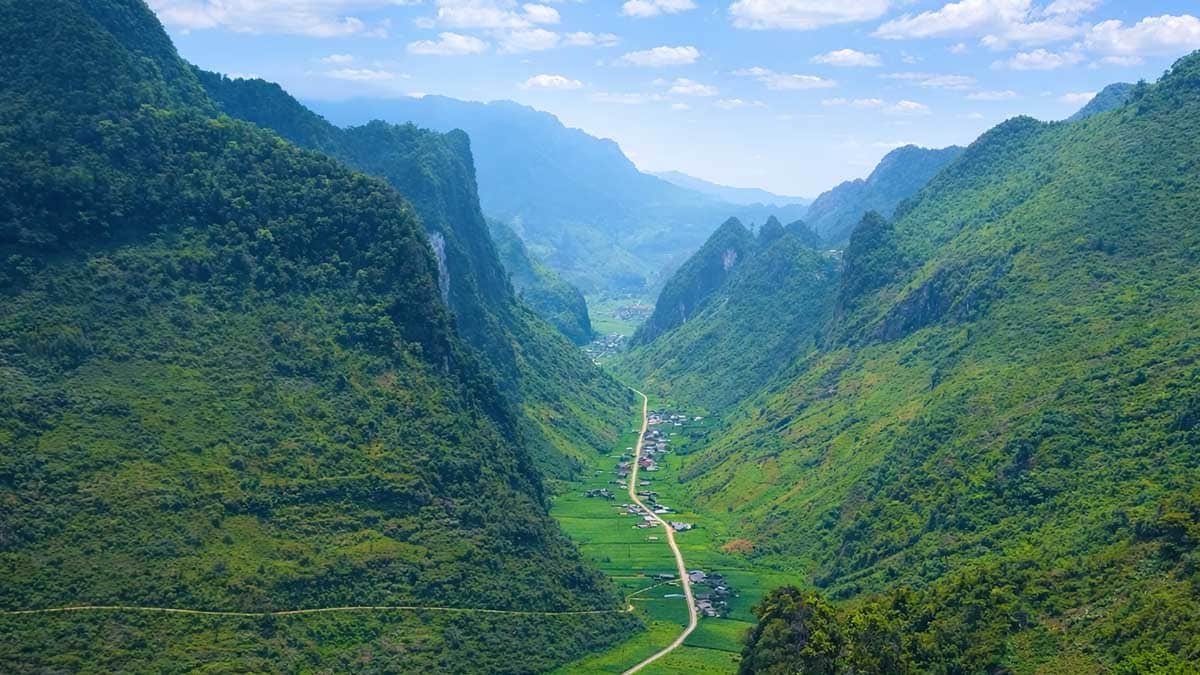
Ninh Binh is the classic north add-on when you want nature without heavy effort. Expect rice fields, rivers, and dramatic limestone shapes that feel almost unreal up close. The day-to-day here is gentle, short bike rides, calm boat trips, late lunches. If you want scenery that feels huge but travel that feels light, Ninh Binh is your friend.
Ha Long Bay is iconic for a reason, limestone islands rising out of emerald water looks cinematic even when you’ve seen it a thousand times online. The key is how you do it. If you only do a rushed day trip, it can feel crowded and compressed. If you stay overnight (cruise or a nearby base), you’re more likely to catch quiet light and calmer hours, which is what people actually remember.
Sa Pa is a different north altogether, cooler air, higher views, and walking routes through valleys and terraces. It’s a great fit if you genuinely enjoy hiking. If you don’t, skip it without guilt. A Vietnam trip gets better when you stop forcing “must-do” stops into it. For many travelers, Hanoi + Ninh Binh + Ha Long Bay is already a complete and satisfying north loop.
Central Vietnam: the chapter that slows everything down
Central Vietnam is where your trip can breathe. If the north is about contrast, the center is about balance. You’re still seeing new places, but the pace naturally becomes calmer, and that’s often when the trip starts to feel more comfortable.
Hue is the obvious heritage anchor. As a former imperial capital, it’s tied to Vietnam’s royal history, with monuments and a distinct atmosphere that’s quieter than Hanoi or Ho Chi Minh City. Hue is also an easy place to spend a day or two without packing every hour, which helps your travel rhythm. Think history, food, and slower evenings, rather than nonstop sightseeing.
Phong Nha is the wildcard if you want nature with a more adventurous edge. It’s known for cave systems and forest landscapes, and it attracts travelers who like the idea of boat rides, cave visits, and a more outdoorsy feel. It is not the simplest add-on in every itinerary, but if you have the time, it can be the part that makes your trip feel less expected and more personal.
South Vietnam: city intensity, then a clean island finish
Ho Chi Minh City is fast, loud, and surprisingly addictive. It’s a place of contrasts, modern towers and older buildings, high energy streets and quiet cafes. The best approach is to treat it as a short, vivid chapter. Two or three days is usually enough to explore, eat, and soak up the atmosphere without burning out. If you like cities that feel alive at every hour, Saigon delivers.
For the end of the trip, an island finish is a smart move, not a luxury. It’s how you avoid ending on exhaustion. Phu Quoc is the easiest option for beaches and downtime, with a straightforward “do less” vibe. Con Dao is often framed as more remote and nature-focused, depending on your route and connections. Either way, the point is the same: you want a final stretch where your brain stops planning and starts resting. A good Vietnam itinerary ends with space and softness, not another transfer.

Two itineraries that actually work (10 to 14 days)
Below are two routes that keep travel days reasonable and give each stop room to land.
Guimarães 2026: Portugal’s Green Capital you’ll actually enjoy
Greece, Croatia, Albania: three neighbors, three very different travel moods for 2026
Option A: North-first, big scenery (10 to 12 days)
Hanoi (3 days), Ninh Binh (2 days), Ha Long Bay (2 to 3 days), Sa Pa (3 to 4 days, only if you want hiking).
This works if you want maximum landscapes with a coherent loop.
Option B: Classic mix, easy rhythm (12 to 14 days)
Hanoi (3 days), Ninh Binh (2 days), Hue (2 days), Ho Chi Minh City (2 to 3 days), Phu Quoc or Con Dao (3 to 4 days).
This works if you want variety with a calm finish.A quick rule that saves most trips: keep it to two regions plus an island, or one region done properly. Vietnam is generous, but it’s even better when you give it time. Choose fewer stops, stay longer, and you’ll come home with real memories, not just photos.