Show summary Hide summary
Summary:
- Orongo is dramatic and exposed, so access can change quickly after land movement or erosion.
- The moai and their platforms near the ocean are vulnerable to salt, wind, rain, and stronger surf.
- Visiting the main archaeological areas is structured around park rules and often licensed guides.
- The smartest itinerary is built with options, not a single must-see that can ruin your day if closed.
- Small choices (paths, water use, waste) make a real difference on a remote island with limited resources.
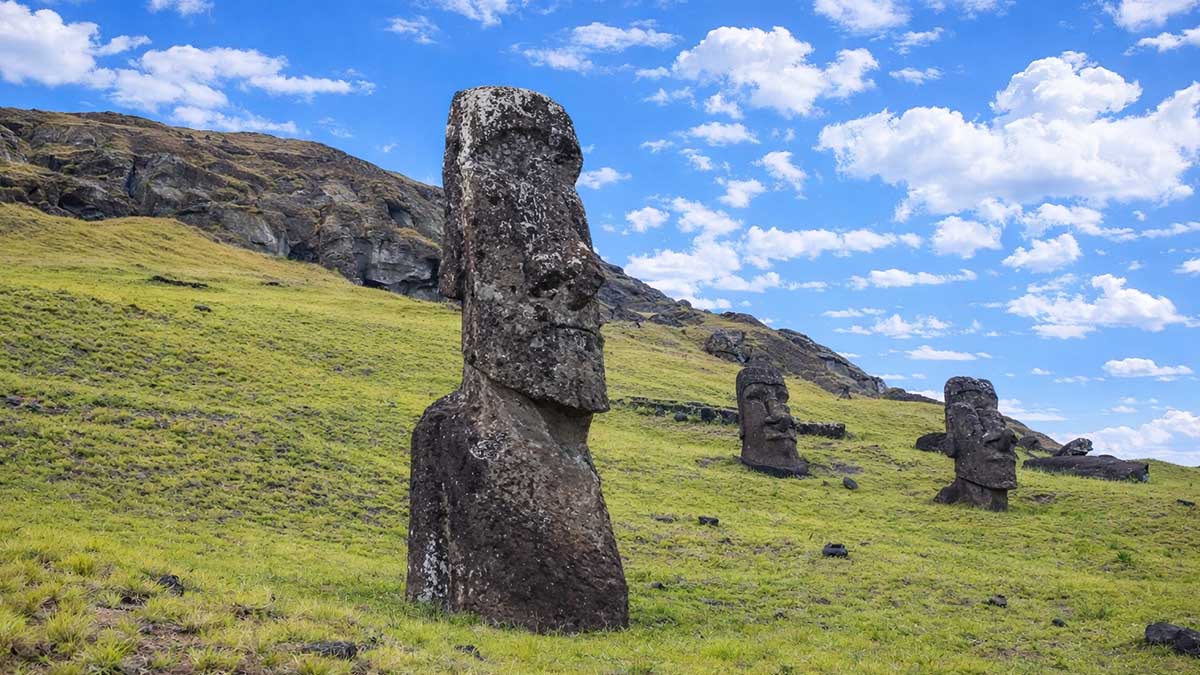
Rapa Nui is one of those places that hits you fast. You land, you see the open Pacific, and suddenly the world feels bigger and quieter at the same time. The moai are the headline, of course, but the island itself is the real story: volcanic slopes, low stone walls, wind that never fully stops, and a coastline that feels both beautiful and exposed.
Lately, that exposure has become harder to ignore. Paths can be restricted, cliffs can weaken, and rules around visiting key sites are taken seriously. None of this is meant to spoil the magic. It is meant to keep the island standing, literally and culturally. If you travel with curiosity and common sense, you will enjoy more, not less.
Bhutan: the country that quietly slows you down (and you’ll thank it for)
Europe in 2026: the trips worth planning around real dates
1) Orongo: stunning views, fragile ground
Orongo is the kind of site that looks unreal in photos, then feels even sharper in person. Perched near the rim of Rano Kau, it delivers that postcard mix of crater, sea, and cliff edge. The flip side is obvious once you are there: the terrain is exposed, and when the ground shifts, authorities may restrict access for safety and conservation.
If Orongo is on your list, treat it like a “weather-dependent” hike, not a guaranteed museum visit. A good guide or local operator will usually know what is accessible, what is restricted, and which route is safest. The best mindset is plan B ready, not disappointed.
Practical tip: schedule Orongo early in your stay, but avoid locking your entire trip around it. If it is closed or limited, you can pivot to other major sites without losing the day. That flexibility is not just convenient, it is good travel etiquette on Rapa Nui.
2) The moai are tough, but the coastline is tougher
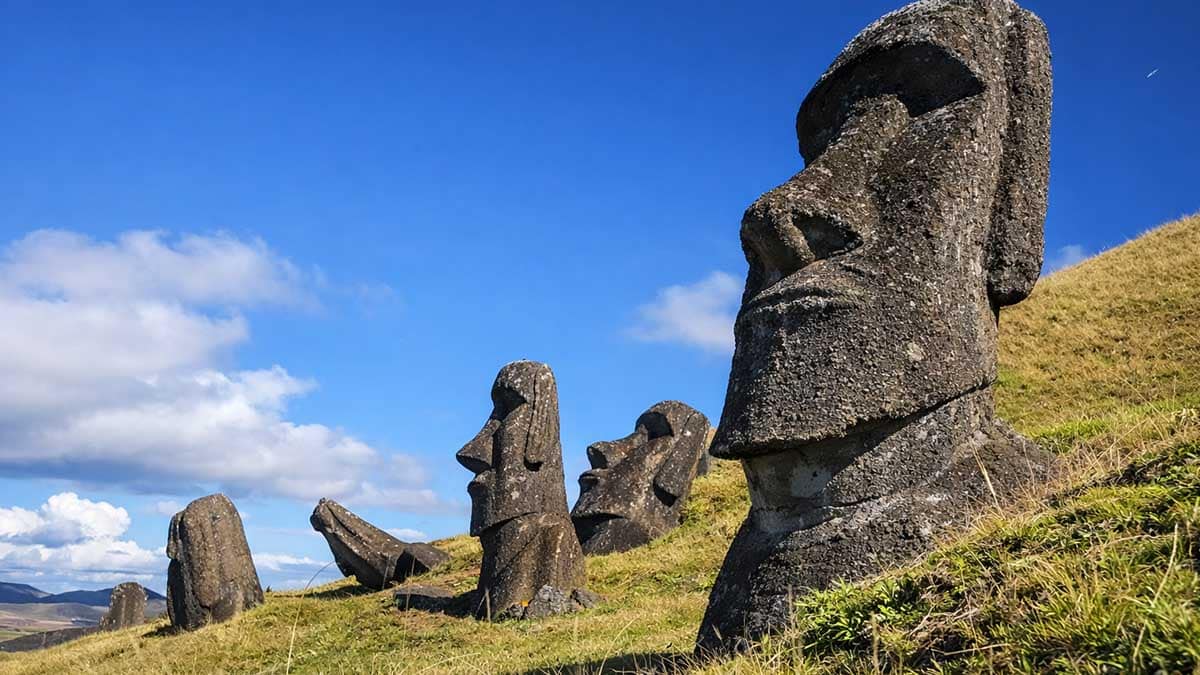
It is easy to think of the moai as indestructible. They have survived centuries, after all. But many stand close to the ocean, and the coast does not negotiate. Salt spray, wind abrasion, heavy rains, and strong surf all contribute to slow wear on volcanic stone and the platforms that support it.
This is why you will see clear boundaries and strict instructions at the most sensitive places. Staying on paths is not a tourist formality, it protects fragile ground and reduces erosion from constant foot traffic. The same goes for “just stepping closer” for a better angle. A small shortcut repeated by thousands of visitors becomes a scar.
If you want great photos without causing damage, focus on timing instead of proximity. Early morning and late afternoon light can make the moai look dramatic from the proper viewpoints. You get the shot, the site gets a break, everybody wins. Think better light, not closer distance.
3) The rules are part of the experience now
Rapa Nui is remote, small, and logistically expensive. Water, waste management, and infrastructure have hard limits, and the island also carries the responsibility of protecting a globally significant cultural landscape. That is why access to major archaeological areas is structured, often through Rapa Nui National Park and local management.
In practice, you should expect a park ticket system, a time-limited validity window, and regulated entry for certain high-impact sites. Many visits are also designed around licensed guides, especially for the key locations. Some travelers resist that at first, then realize it improves the visit. A good guide makes the island legible: stories, context, and the small details you would otherwise walk past.
It also changes how you should plan. Buy your ticket early, map your must-sees across a few days, and avoid the “do everything in one sprint” approach. On Rapa Nui, rushing usually leads to stress, not discovery. The best trips feel paced, with one big site plus one calm moment each day.
Here is a simple planning table to keep things clear:
| What to plan for | What it means for you | Why it matters |
| Park ticket and validity window | Pick the right start day | Avoid wasting valid days |
| Guide-led access for key sites | Reserve ahead when possible | Better flow, better context |
| Site restrictions can change | Keep flexible time blocks | Closures happen for real reasons |
| One-entry style limits at some spots | Choose your best visit slot | Reduces pressure on fragile areas |
4) How to travel “the Ulysse way”: smooth, respectful, memorable
The easiest way to have a good Rapa Nui trip is to stop trying to control it like a theme park. Build a loose framework, then let the island fill in the rest. That means leaving room for weather, closures, and the simple fact that you might want to stay longer at a place that moves you.
If I were planning it, I would split the trip into three layers. First, the core classics: Rano Raraku (the quarry), a couple of major ahu platforms, and Orongo if accessible. Second, the flexible fillers: coastal walks, viewpoints, and quieter sites that do not require perfect conditions. Third, the “human moments”: a local meal, a conversation, a slow sunset, something that anchors the trip beyond photos.
Reynisfjara right now: what changed on Iceland’s black sand beach
Europe’s 2026 travel shortlist: Madeira, Tbilisi, Milan, Glasgow
A few habits make a noticeable difference on the island: short showers, carrying out small trash, and sticking to paths even when nobody is watching. It sounds basic, but on a small island, “basic” adds up fast. Your goal is not to be perfect, it is to be low impact and high attention.
Finally, accept the biggest truth about Rapa Nui. You do not need to see everything to feel it. You need space to take it in. The moai will still be powerful if you visit fewer sites with more presence. That is the trade that makes this trip special: less rushing, more meaning, and a visit that feels human, not transactional.