Show summary Hide summary
Summary:
- Why altitude and seasons matter more than recipes in Savoie cheeses.
- How to explore cheese country without following a rigid route.
- Where farm-made and dairy-made cheeses quietly coexist in the Alps.
- Why slowing down often leads to better encounters.
Why cheese tastes different once you reach the mountains
Spend a few hours driving through Savoie and one thing becomes clear. Nothing here is flat, easy, or standardized. Valleys narrow, roads twist, and farming adapts to what the land allows. Cheese did not emerge as a regional showcase. It became a practical necessity, a way to preserve milk and make the most of short summers and long winters.
This is why variety appears so quickly from one area to the next. A change in altitude, exposure, or pasture is enough to alter how milk behaves. Cow’s milk, goat’s milk, pressed cheeses, softer ones, short aging or long maturation all coexist within a small radius. Each reflects local conditions rather than a fixed model.
Bhutan: the country that quietly slows you down (and you’ll thank it for)
Europe in 2026: the trips worth planning around real dates
There is no single Savoie taste. What you find instead is a collection of local balances, shaped by grass, weather, and habit. The result feels less designed than lived in, and that difference is easy to sense once you are there.
Where these cheeses are really made
The best way to understand Savoie cheeses is to see them being made, often while everyday work continues around you. Farms and cooperative dairies across the region still operate at a human scale, where production follows milking schedules and seasons rather than visiting hours.
Along the way, travelers may encounter:
- Tome des Bauges, linked to small farms in the Bauges massif.
- Abondance, often produced in cooperatives using traditional equipment.
- Reblochon, made daily, either on farms or in local dairies.
- Chevrotin, a summer-only goat’s milk cheese tied to high pastures.
- Beaufort, aged for months in large cellars at higher altitude.
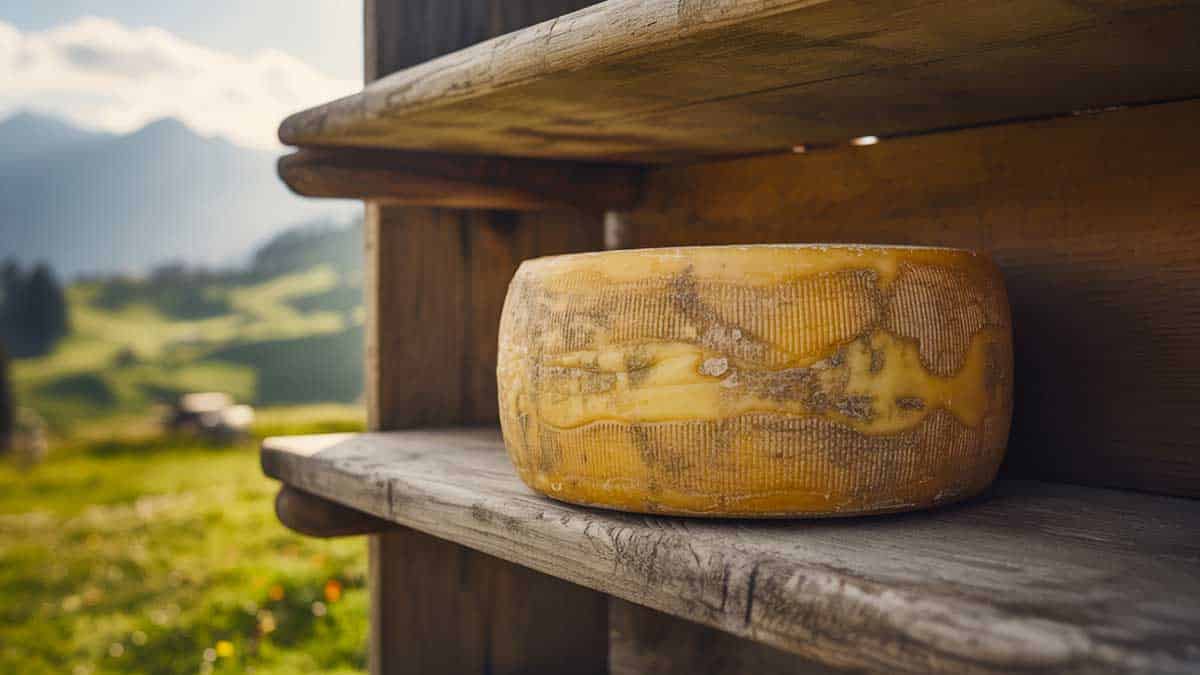
What makes these stops memorable is rarely a speech or a tasting note. It is the setting itself. Cows grazing above 1,500 meters, goats navigating steep slopes, and landscapes that leave little room for shortcuts. In those moments, the differences between cheeses no longer need explanation.
Building a cheese road trip that does not feel rushed
There is no official cheese route in Savoie, and that absence works in your favor. Distances are short on a map, but the terrain encourages patience. Trying to see everything quickly often misses the rhythm of the region.
A slow loop makes more sense, allowing room for detours and conversations.
| Area | Main cheeses | What stays in memory |
| Bauges | Tome des Bauges | Forests, waterfalls, quiet villages |
| Albanais | Abondance, Emmental | Rivers, open countryside |
| Lake Annecy | Raclette | Lake roads, mountain passes |
| Bornes | Reblochon | High plateaus, working farms |
| Beaufortain | Beaufort | Alpine lakes, wide pastures |
Local note
Many producers are easiest to meet early in the morning or later in the afternoon, around milking time. Local tourist offices often know who welcomes visitors and when. This simple step avoids missed stops and helps keep the journey fluid and unforced.
Season also changes the experience. In summer, herds move higher, production shifts, and flavors follow. Even familiar names can taste noticeably different depending on when you arrive.
What stays with you once the cheese is gone
Following the cheese roads of Savoie is not really about collecting flavors. It offers a close look at a way of living that still relies on cooperation, routine, and a strong link to the land. Protected labels help preserve quality, but they do not replace daily work.
For travelers, this approach brings something rare. A view of Alpine life beyond ski resorts, conversations with producers who know their limits, and landscapes shaped by grazing rather than large developments. The pace leaves room for attention instead of performance.
You do not come away feeling that you have “done” Savoie. You leave with a clearer sense of how the region works, and why it still looks the way it does.
Reynisfjara right now: what changed on Iceland’s black sand beach
Europe’s 2026 travel shortlist: Madeira, Tbilisi, Milan, Glasgow
The cheese roads of Savoie invite you to slow down and look closer. By following valleys, farms, and pastures, the journey connects food to place and daily work to landscape. Some of the most lasting travel experiences come from staying a little longer and paying attention to what is already there.
Curious to explore more food-driven journeys across Europe. This is a good place to begin.