Show summary Hide summary
Summary:
- Places where Vietnam’s rhythm feels most alive.
- Ways to explore culture and nature without rushing.
- Budget ideas to move confidently across regions.
- Experiences that open a window onto everyday life.
- A guide to help build a balanced itinerary.
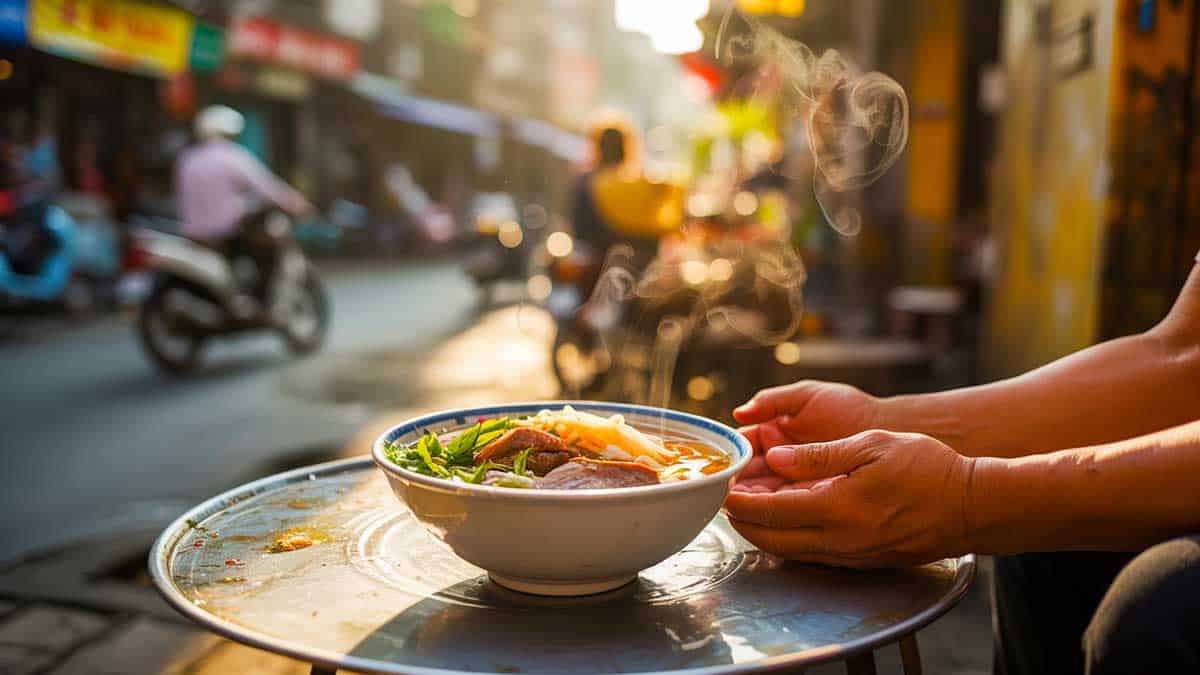
Vietnam rarely unfolds the same way twice. One morning you are navigating Hanoi’s narrow streets, catching the scent of broth rising from a sidewalk stall, and the next you are facing limestone cliffs that seem to float on still green water. The country nudges you to slow down, to look up, to wander without a rigid plan.
This guide gathers five experiences that reflect Vietnam’s many moods. They touch cities, coasts, mountains and quiet rural pockets, offering a sense of what you will actually find on the ground. Think of it as a compass rather than an itinerary, something that helps you choose the moments that matter most. Let’s dive in.
Bhutan: the country that quietly slows you down (and you’ll thank it for)
Europe in 2026: the trips worth planning around real dates
Hanoi: where Vietnam’s daily life comes into focus
Hanoi often shapes the first impression, and it tends to stay. The Old Quarter is an energetic knot of shop-houses, steaming street food stalls, tiny stools and scooters weaving through the chaos with surprising grace. At sunrise, a calmer city appears around Hoan Kiem Lake, where locals stretch, vendors prepare herbs and cafés fill the air with dark coffee.
A few places that anchor the city’s story
- Temple of Literature, a peaceful courtyard that echoes centuries of scholarship.
- Hoa Lo Prison, a site that sheds light on key episodes of Vietnam’s past.
- Long Bien Bridge, a steel frame above the Red River that offers a striking city view.
Traveler’s note: If you are curious about traditional arts, a water puppet performance is a charming way to discover how rural stories were once shared through music and movement.
Halong and Lan Ha bays: limestone peaks and quiet water
Northern Vietnam’s limestone formations feel almost sculpted. Halong Bay is well known, while Lan Ha Bay offers similar scenery with fewer boats and a gentler pace.
What this means for you
Spending a night or two on the water slows everything down. Sunrise is often the most memorable moment, with soft light revealing the cliffs little by little. Kayaking lets you slip into coves and lagoons tucked behind rock walls, places unreachable by larger boats.
Highlights
- Sliding quietly through narrow channels by kayak.
- Visiting floating fishing communities that still work these waters.
- Sleeping on a wooden-style boat that encourages slow, simple travel.
Hue: an imperial past you can still walk through
Hue sits in central Vietnam and carries the memory of its former emperors. The Imperial City is large but gentle if you explore it at a relaxed rhythm. Wooden halls, ponds and shaded paths reward anyone who takes the time to linger.
Around the citadel
Several royal tombs lie outside the main complex, each combining ponds, gateways and quiet gardens. A ride along the Perfume River adds calm to the visit, especially in late afternoon when the light softens.
Local tip: Renting a bicycle helps you move easily between sites while staying close to Hue’s everyday life.
Phu Quoc: a breath of sea air in the far south
After the energy of northern cities, Phu Quoc often feels like a welcome pause. Beaches stretch quietly, fishing villages follow their own rhythm and a large protected forest covers much of the island. Whether you stay briefly or longer, the drop in pace feels immediate.
Budget insight
Most beaches are public, seafood restaurants stay affordable and renting a motorbike lets you explore the coastline freely. Snorkeling tours reveal colorful coral areas while the national park offers shaded paths far from the coast.
What you can do on Phu Quoc
| Activity | Approx. cost | Ideal for |
| Snorkeling trip | $15–$30 | Exploring reefs easily |
| Motorbike rental | $6–$10/day | Independent coastal discovery |
| National park walk | Free | Nature lovers |
| Fishing village visit | Free | Learning about local island life |
Mountain trails and rice terraces: trekking in northern Vietnam
The northern highlands offer some of Vietnam’s most distinctive views. Around Sa Pa, terraces curve along the hillsides and change color throughout the year. Trekking here is not just about the scenery, it is about meeting communities who have shaped these slopes for generations.
Staying in mountain villages
Homestays hosted by Hmong, Dao and other ethnic groups offer a glimpse of rural life today. Evenings unfold slowly, meals are shared and conversations often stretch longer than expected. Trail options range from gentle walks to steeper climbs, allowing everyone to find their own pace.
Reynisfjara right now: what changed on Iceland’s black sand beach
Europe’s 2026 travel shortlist: Madeira, Tbilisi, Milan, Glasgow
Traveler’s note: The atmosphere shifts with the seasons. Spring brings new shoots, summer turns vivid green and autumn paints the terraces gold before harvest.
Vietnam rewards travelers who embrace a slower rhythm. Whether you are crossing a quiet courtyard in Hue, following a mountain trail in the north or drifting between limestone peaks, each region leaves its own imprint. A taste, a scene, a small unexpected moment that stays with you.When planning your route, consider mixing cities, coastlines and highlands to feel the country’s full range. Much of Vietnam’s charm lies in simple scenes, like a chat at a market stall, a dawn view from a boat or a bowl of noodles eaten on a plastic stool under a strip of neon light.