Show summary Hide summary
Summary:
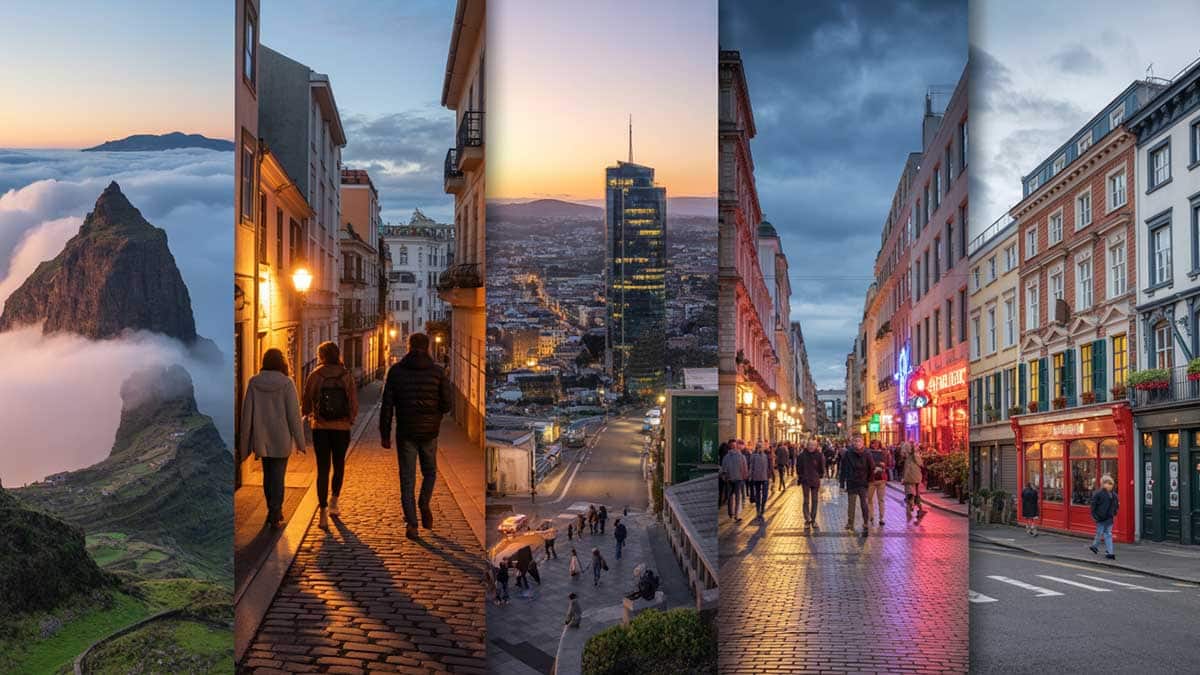
- Madeira is topping the “trending” conversation thanks to its mountains to ocean variety in short distances.
- Tbilisi stands out for culture you can actually feel and an easy day to day rhythm.
- Milan is getting extra attention with the winter Olympics spotlight and new openings.
- Glasgow mixes music city energy with fast access to Scottish landscapes.
- Dublin remains a clear win for solo friendly travel with a compact, walkable core.
Most travel lists are pleasant, but not always helpful. Tripadvisor’s 2026 travellers’ choice awards are different for a simple reason: they reflect what travelers consistently praised over an entire year, not a one off trend.
This article isn’t here to sell you a fantasy itinerary. It’s a practical shortlist of five destinations that keep showing up for 2026, with a focus on what makes each place click and how to enjoy it without overplanning.
Solo female travel: a simple guide to feel safe, social, and fully yourself
Lascaux IV in 2026: the 10th anniversary dates worth planning around
Madeira: the island where one day feels like three
Madeira sits at the top of Tripadvisor’s trending list for 2026, and it makes sense once you’re there. The island delivers big scenery fast, so you spend less time commuting and more time outdoors.
You can start your morning above the clouds on a ridge, then end the day down by the sea. That contrast is the core appeal, especially if you like trips that mix effort and comfort. The famous Pico to Pico hike is often mentioned because it connects two high peaks with dramatic views and narrow rock paths.
Canyoning is another major draw. Madeira’s interior has waterfalls, pools, and steep terrain that turn a guided canyoning day into something memorable without requiring expert level skills. If you’re the type who wants nature with a bit of adrenaline, Madeira delivers.
Practical tip: don’t lock your plan too tightly. Weather shifts quickly in the mountains, so flexibility is your best tool. Swap a summit day for the coast if clouds roll in, then go high early the next morning.
Tbilisi: a capital with fresh cultural momentum
Tbilisi ranks near the top of the trending list, and the vibe is clear: it’s a city with new cultural spaces and a growing creative scene, without the feeling that everything is staged for tourists.
The reference highlights places like the Art Foundation Anagi, and notes that museums such as the Shalva Amiranashvili Museum of Fine Arts have expanded. It also points to historic buildings being converted into boutique hotels, including the Telegraph Hotel. Those details matter because they change the experience on the ground: more places to explore, more character, and more options for where to stay.
Tbilisi also shows up in remote work conversations. The source mentions Nomad Capitalist, which describes Georgia as attractive for digital nomads because of a business friendly environment, favorable taxes, and liberal immigration policies. That explains why the city can feel lively even outside classic tourist seasons, with coworking spaces and an expat community adding to the mix.
If you only have three days, don’t try to “collect” the city. Choose one cultural day, one classic wandering day, and keep one chunk of time unplanned. Tbilisi is best when you leave room for slow discovery.
Milan: beyond fashion, 2026 is about what’s opening
Milan is a familiar name, but its position in the trending list is tied to something specific. The reference points to the city co hosts the Winter Olympics, which brings extra global attention.
That spotlight often accelerates change in a city. The article mentions new hotels opening, including Six Senses and Rosewood, plus revitalized districts like Porta Romana and Porta Nuova. Even if you’re not traveling for events, those shifts can make a short trip feel smoother: more walkable areas, more good places to stop, and a stronger sense of “city break” momentum.
A smart move is to travel slightly outside peak dates. When attention spikes, prices tend to follow. Milan is still Milan in the shoulder moments, just with fewer crowds and fewer inflated rates.
Keep your plan simple: one afternoon for neighborhoods, one early morning for the classics, one evening dedicated to food. That trio usually beats an overstuffed schedule, and it lets the city’s day to night rhythm do its job.
Glasgow: music city energy with Scotland next door
Glasgow ranks high in the trending conversation for a different reason. The source calls it bold for contemporary culture, and notes it’s the UK’s first UNESCO creative city of music.
That label fits the feel of the city. Glasgow is a place where live music and creative spaces aren’t a side note, they’re part of the weekly pulse. For travelers, it’s also a practical base. The reference points to day trips to Oban, Glencoe, and the Highlands, which means you can pair a city stay with dramatic landscapes without changing hotels constantly.
If you like trips that alternate energy and calm, Glasgow works well. Spend one night out in the city, then reset the next day with a scenic escape. The contrast creates a trip that feels balanced, not exhausting.
A quick planning trick is to anchor your visit around one evening plan. One gig, one venue, one neighborhood. Then build the rest around it. You’ll remember the atmosphere, not just the stops.
Dublin: the solo friendly classic that still feels easy
Tripadvisor’s 2026 awards also highlight solo travel, and Dublin takes the top spot. The reason is refreshingly practical: it’s compact and walkable, and it’s socially easy without forcing interaction.
Guimarães 2026: Portugal’s Green Capital you’ll actually enjoy
Greece, Croatia, Albania: three neighbors, three very different travel moods for 2026
The reference mentions landmarks like St Patrick’s Cathedral and Dublin Castle, plus distillery visits that are straightforward to book. But solo travel is often about friction, not just attractions. Dublin tends to reduce friction. You can do a lot on foot, you can drop into places without planning weeks ahead, and you’re rarely stuck in awkward in between moments.
If you’re traveling alone, choose a central base so your evenings stay relaxed. Book one guided activity early in the trip to create momentum, then keep at least one open block for wandering. In Dublin, wandering is the point.