Show summary Hide summary
- The “welcome factor” is not a vibe, it’s a travel advantage
- Montepulciano, Italy: Tuscany with time on its side
- Epirus, Greece: the quiet north that rewards curious walkers
- Magong, Taiwan: island days with culture that feels lived-in
- Newfoundland and Labrador, Canada: big nature, warm conversations
- Quick pick table: match the destination to your travel style
- How to keep a welcoming trip truly welcoming
Summary:
- Where the “welcome factor” shows up in real, practical ways, not slogans.
- Four destinations that feel calm, friendly, and simple to navigate.
- What to do (and avoid) so a welcoming place stays genuinely welcoming.
- A fast table to match your travel style to the right destination.
We plan trips like a checklist: flights, budgets, a few must-see spots, and maybe a couple of restaurant pins saved on our phone. But what we remember later is often softer than that. It is the host who explains things with patience, the local who points you to the right stop without making you feel lost, the sense that you can breathe and figure things out. Those small moments, repeated over a few days, create emotional comfort and quiet confidence.
Booking.com’s Traveller Review Awards 2026 highlighted cities and regions where travelers consistently felt well received. This guide is not about chasing the next viral place. It is about choosing destinations that feel human and relaxed, especially if you travel independently and want a trip that runs smoothly without constant effort.
Solo female travel: a simple guide to feel safe, social, and fully yourself
Lascaux IV in 2026: the 10th anniversary dates worth planning around
The “welcome factor” is not a vibe, it’s a travel advantage
A welcoming destination saves energy. When people are helpful and the rhythm is calmer, you spend less time correcting small problems and more time actually enjoying your days. That matters whether you are on a short break or a longer trip, because friction adds up fast. In friendly places, you ask one question and get a real answer, you miss a turn and it stays a minor detour. That’s practical hospitality and less mental load.
Welcoming does not mean everything is perfect or that everyone is smiling all the time. It usually looks more ordinary than that: clear communication, simple respect, and service that feels personal rather than rushed. And if you have ever visited somewhere overcrowded or tense, you know how valuable it is to land in a place that feels calm from day one. That calm is freedom to explore and space to wander.
Montepulciano, Italy: Tuscany with time on its side
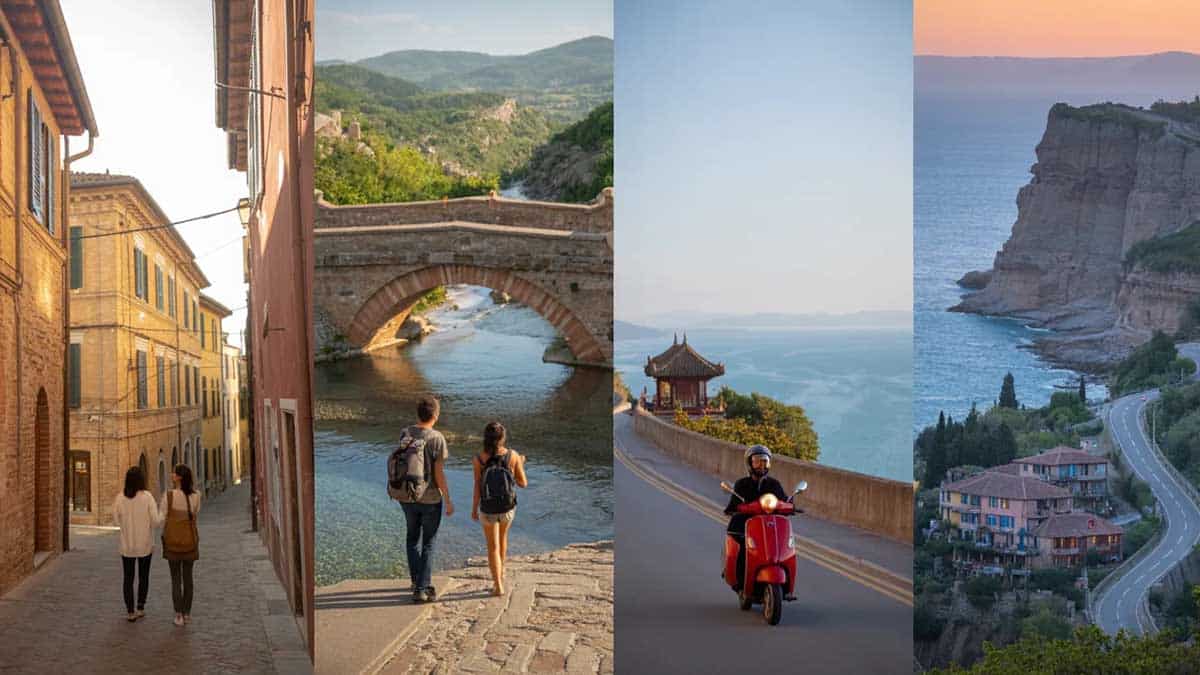
Montepulciano is a Tuscan hill town that quietly encourages you to slow down. You walk, you pause, you sit a little longer than planned, and nobody seems in a hurry to push you along. It’s the kind of place where the best moments are often unplanned: a small wine bar, a view at the end of a side street, a conversation that lasts two minutes longer than expected. That ease is slow-travel friendly and naturally social.
Wine culture is part of everyday life here, especially Vino Nobile di Montepulciano, so tastings and vineyard visits can feel relaxed rather than theatrical. If you choose a smaller stay, you often get the kind of advice that never makes it into listicles: where to park without stress, which lane is best at sunset, which spot stays calm at lunchtime. It’s local pacing and good guidance that make Montepulciano feel welcoming.
Local tip
- Pick a small guesthouse or agriturismo when you can. You will usually get better recommendations and more flexible help than in larger properties.
Epirus, Greece: the quiet north that rewards curious walkers
Epirus, in northwestern Greece, is for travelers who like landscapes and villages more than nightlife. The region is associated with the Pindus mountains and the stone villages of Zagorochoria, where guesthouses often feel straightforward and personal. Hospitality here tends to be practical, not performative. People tell you what matters, what road is better, how long the trail really takes. That’s useful kindness and honest advice.
This part of Greece also feels less pressured than the big island circuits, which can change the whole tone of a trip. Instead of fighting for tables or squeezing into crowded viewpoints, you can focus on walking, eating well, and having quieter evenings. If you like travel that feels grounded and simple, Epirus can be a reset. It is mountain calm and village rhythm.
Traveler’s note
- Pack layers and ask locally about trail conditions. In mountain regions, weather shifts and trail reality matter more than the forecast.
Magong, Taiwan: island days with culture that feels lived-in
Magong sits in Taiwan’s Penghu archipelago and offers a gentle island pace with a strong cultural backbone. One landmark often mentioned is Penghu Tianhou Temple, connected to Mazu worship and widely described as the oldest Mazu temple in Taiwan. Whether or not you are a “temple person,” it gives you a clear window into local identity. That’s everyday tradition and cultural clarity.
What makes Magong feel welcoming is how unforced the interactions can be. You can spend a day wandering, eating seafood, and exploring without feeling like you are moving through a tourist script. If you are comfortable riding, a scooter is one of the easiest ways to move around and find quieter coastal spots on your own terms. It becomes independent travel and easy exploration.
Budget snapshot (USD)
| Item | Typical range |
| Guesthouse | 40-70 per night |
| Scooter rental | about 15 per day |
| Casual seafood meal | 10-20 |
Newfoundland and Labrador, Canada: big nature, warm conversations
Newfoundland and Labrador, on Canada’s Atlantic edge, is known for dramatic coastline and a strong local character. Yet many travelers remember something even more: how easy it is to talk with people. In smaller towns especially, a simple question can turn into a real exchange, with suggestions that feel personal rather than scripted. That sense of welcome is casual warmth and shared pride.
Nature shapes everything here, including your schedule. Weather can shift quickly, detours happen, and that is part of the experience rather than a failure of planning. If you build in breathing room, you often end up with the best days: an unexpected lookout, a café someone insisted you try, a road that looked minor and turned out to be the highlight. That is flexible road-tripping and slow discovery.
Local tip
- Keep your itinerary light. The best moments often come from unplanned stops and local suggestions.
Quick pick table: match the destination to your travel style
If you’re deciding between these options, don’t ask “Which is best?” Ask “Which one fits my mood right now?” That mindset keeps your trip aligned with what you actually want. It is better self-matching and less decision regret.
| If you want… | Go for… | Why it fits |
| Calm European charm, food and wine | Montepulciano (Italy) | Slow rhythm, personal hospitality, wine culture |
| Hiking, villages, quieter Greece | Epirus (Greece) | Mountain landscapes, practical help, village stays |
| Island wandering plus cultural depth | Magong (Taiwan) | Gentle pace, lived traditions, easy independence |
| Wild coasts and genuine chats | Newfoundland and Labrador (Canada) | Big scenery, flexible days, warm interactions |
How to keep a welcoming trip truly welcoming
Guimarães 2026: Portugal’s Green Capital you’ll actually enjoy
Greece, Croatia, Albania: three neighbors, three very different travel moods for 2026
Even in the friendliest places, your experience improves when you travel in a way that respects the local rhythm. A few small choices go a long way. Travel slightly off-peak when possible, choose smaller stays, and leave gaps in your schedule so you are not rushing through conversations. Those gaps create more human moments and better local guidance.
One simple habit also helps: ask one thoughtful question per day. “Where would you go if you had half a day?” is often better than “What’s the number-one thing to do?” because it invites personal, realistic answers. Welcoming destinations shine when you let them. It becomes less performance and more presence.