Show summary Hide summary
- Pelourinho or Barra–Ondina: your week depends on this choice
- The trio elétrico: a rolling concert that sets the pace
- Pipoca, bloco, or camarote: three ways in, three different nights
- The sound of Bahia: axé, afoxé, and the drumline moments
- The anti-stress plan: sleep smart, walk smarter, pace your energy
Summary
- Salvador Carnival is a street-first celebration built around moving sound trucks called trios elétricos.
- The two classic moods are Pelourinho (historic center, more pockets of calm) and Barra–Ondina (oceanfront, big crowds).
- You can join as pipoca (free crowd), with a bloco (organized access), or from a camarote (more comfort).
- The best planning move is simple: sleep close to the route you care about most.
- Pace yourself like a city hike: water, phone charge, and one planned “quiet hour” a day.
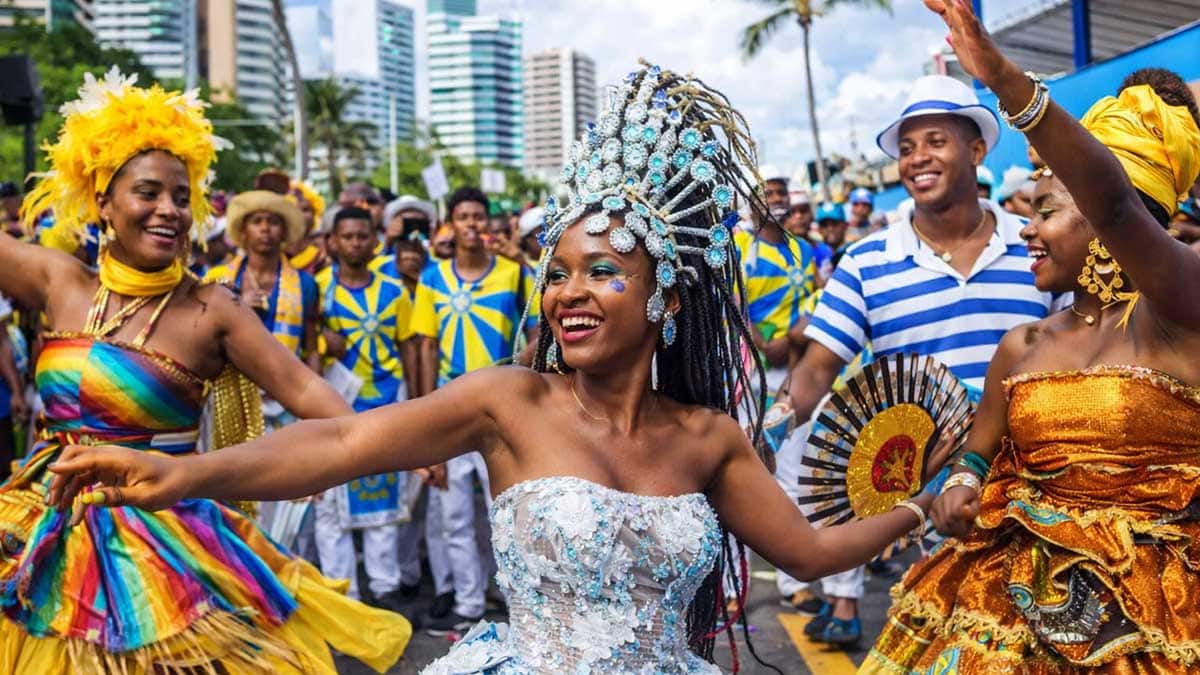
There are parties you attend, and then there are cities that change your internal clock. Salvador de Bahia Carnival is the second kind. The sound arrives before you do, spills into side streets, then pulls you toward the coast like a tide you can hear.
The trick is not to chase everything. It’s to choose your rhythm, decide where you want intensity and where you want breathing room, and let the city do the rest. With a few smart decisions, you’ll get the raw street energy without feeling lost in it.
Solo female travel: a simple guide to feel safe, social, and fully yourself
Lascaux IV in 2026: the 10th anniversary dates worth planning around
Pelourinho or Barra–Ondina: your week depends on this choice
Salvador’s Carnival isn’t one fixed venue. It’s a moving festival with different routes and moods. Start by deciding what you want most: neighborhood atmosphere or oceanfront chaos.
Pelourinho (the historic center) is where many travelers find a more intimate version of Carnival. You’ll still get music and crowds, but you’ll also find pockets to pause, eat, and reset. The streets are tighter, the vibe can feel more local, and it’s easier to slip between busy squares and quieter corners.
Barra–Ondina is the big, loud, ocean-facing stretch people picture when they imagine Salvador at full volume. This is where the crowd can feel like a single organism moving down the avenue. If your goal is to experience the mass follow-the-music rush, this is the route that delivers it.
A simple rule that keeps you sane: pick one main zone per day. You can mix later, but starting with one anchor makes everything easier.
The trio elétrico: a rolling concert that sets the pace
The heart of Salvador Carnival is the trio elétrico, a massive truck turned into a mobile stage with powerful speakers. Instead of watching a parade pass by, you choose whether to follow the sound or let it flow past you.
This changes how you plan your night. You’re not waiting for a single “showtime.” You’re surfing waves of music. Sometimes you follow one trio for a long stretch, sometimes you step aside, grab water, and rejoin later. Think of it like a moving concert where your feet are part of the ticket.
A practical tip for your first night: choose one trio, follow it for a while, and observe how people manage space. Once you feel the rhythm of the crowd, everything becomes less intimidating and more pure fun.
Pipoca, bloco, or camarote: three ways in, three different nights
There isn’t one “correct” way to do Salvador. Your experience depends on how close you want to be to the crowd, how much structure you prefer, and how long you plan to last.
Pipoca is the free crowd experience. You join from the public area and follow the trios with everyone else. It’s spontaneous, democratic, and often the most immersive. It can also get very dense, especially at peak hours, so your comfort level matters.
A bloco is more organized. Many blocos require an abadá (a specific event shirt that acts like access) and give you a more defined space to move with a trio. If you’re traveling with friends and want a clearer plan, this can be a smart middle ground that still feels close to the action.
A camarote is the comfort option: elevated viewing areas with amenities, easier breaks, and less pressure from the crowd. You lose some street immersion, but you gain the ability to recharge and keep your week going. For many travelers, one camarote night can balance out two high-intensity street nights.
Quick comparison table
| Option | Budget | Crowd intensity | Best for |
| Pipoca | Low | Very high | Raw street immersion |
| Bloco (abadá) | Medium | High | Groups, structure, easier pacing |
| Camarote | High | Medium | Comfort, breaks, visibility |
The sound of Bahia: axé, afoxé, and the drumline moments
You’ll hear a lot during Carnival, but Salvador has a signature: percussion that you feel in your chest and music that turns streets into dance floors. Axé is the most recognizable sound for many visitors: upbeat, crowd-friendly, built for movement.
You may also come across afoxé groups, which carry strong Afro-Brazilian cultural expression. Even if you don’t know the full context, you’ll notice the change in atmosphere. Some rhythms pull the crowd into chant-like unity, others create a more ceremonial feeling before snapping back into celebration.
One iconic name you’ll hear is Filhos de Gandhy, a well-known afoxé group associated with Salvador’s Carnival identity. If you catch them, slow down for a minute. It’s a reminder that Carnival here is not just party logistics, it’s culture in motion.
The anti-stress plan: sleep smart, walk smarter, pace your energy
In Salvador, logistics decide whether you love Carnival or feel trapped by it. The biggest win is choosing accommodation near the area you plan to prioritize, because late-night returns can be exhausting.
Guimarães 2026: Portugal’s Green Capital you’ll actually enjoy
Greece, Croatia, Albania: three neighbors, three very different travel moods for 2026
What to wear is simple but non-negotiable: comfortable shoes, light clothing, a small bag worn close to your body, and a phone battery plan. You’ll walk a lot, sweat a lot, and stand longer than you expect.
For getting around, walking is often faster than cars near the routes. If you use ride-hailing, step away from the densest blocks before calling. It saves time and frustration, and keeps you in control of your night. Also, build one daily reset into your plan, even just an hour, because recovery is strategy.
Mini checklist before you go out
- Pick a meeting point if you’re with friends, something obvious and easy to remember.
- Carry water and a backup charger.
- Decide your return plan before you’re tired.
- Schedule one quiet break so you can enjoy the next wave.