Show summary Hide summary
Summary:
- Cities where culture feels accessible.
- Landscapes perfect for slow travel.
- Castles and towns with stories you can still sense.
- Planning notes for a smooth trip.
Many visitors picture Germany through a handful of familiar images: Berlin’s murals, Bavaria’s peaks or a castle perched above the trees. These ideas tell part of the story, but the country reveals much more once you start travelling between regions. Large cities feel open and relaxed, rural areas keep their identity without forcing anything, and lakes or forests appear surprisingly close to urban centers. Distances are short, trains run smoothly and changing scenery is easier than most people expect.
This guide brings together the places that consistently resonate with international travelers. The goal isn’t to list everything you could do, but to show what each place adds to a trip, how it feels once you’re there and why it might deserve a spot in your itinerary. Think of it as a companion: clear, curious and designed to help you explore at your own rhythm. Let’s get started.
Bhutan: the country that quietly slows you down (and you’ll thank it for)
Europe in 2026: the trips worth planning around real dates
Cities that leave an impression
Berlin: A city of layers and small surprises
Berlin reveals itself step by step. One street holds memorials and museums, the next hides a quiet café or a second-hand bookshop. While the Reichstag and Brandenburg Gate explain the country’s past, the city’s personality shows up in everyday corners like canal paths at sunset or the relaxed atmosphere of Sunday markets.
If you enjoy calm mornings, walking along the Spree before the city wakes feels like discovering a more intimate version of Berlin.
Hamburg: Brick warehouses, sea air and a relaxed rhythm
Hamburg is shaped by water and its red-brick port districts. Canals cut through Speicherstadt and the Elbphilharmonie rises above the river like a modern lookout. The city feels both maritime and cosy, especially around Karolinenviertel with its cafés and small shops.
Night owls head to St Pauli, but many travelers prefer the quiet light on the docks at sunset.
Munich: Green spaces, calm streets and Alpine views
Munich surprises with its calm and steady rhythm. The old town is easy to explore by foot, trams run clean and quiet and English Garden offers vast paths perfect for long walks. Beer gardens remain part of daily life, and the Alps are just a short train ride away.
Outside Oktoberfest, the city feels balanced and pleasant, ideal for travelers who like culture but also open spaces.
When you need fresh air
The Black Forest: Deep woods and soft landscapes
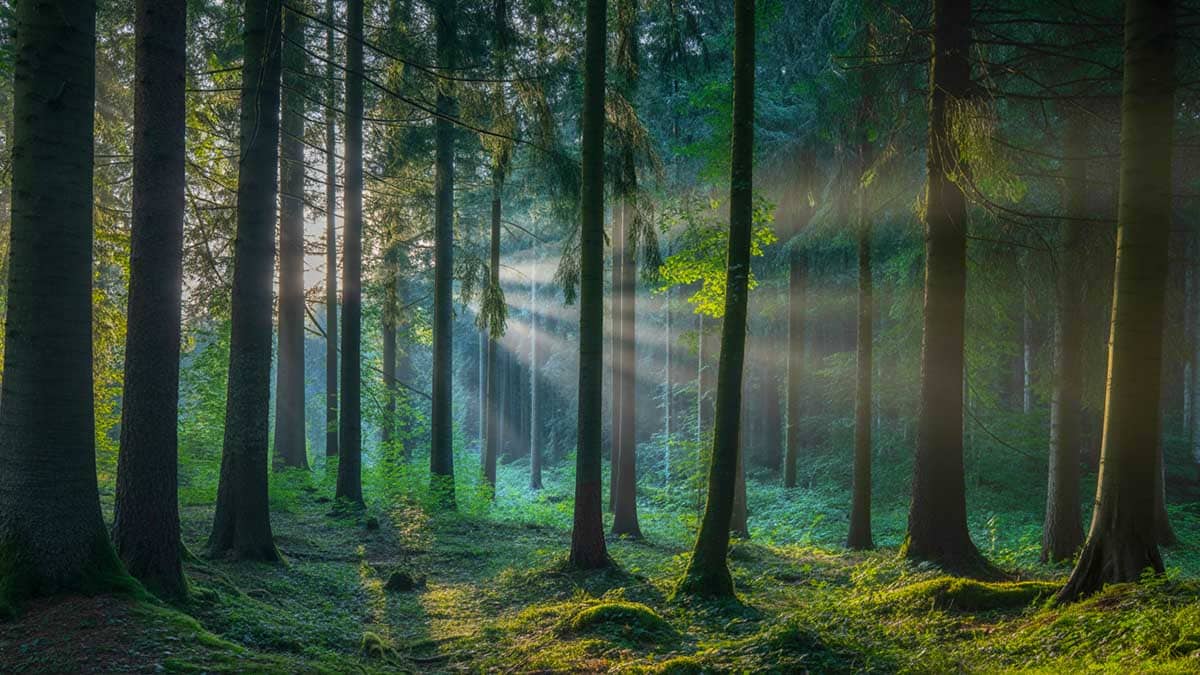
The Black Forest suits travelers who enjoy gentle outdoor days. Trails like the Westweg and Mittelweg cross dense woodlands, while easy loops make hiking accessible to everyone. Villages feel welcoming, and many routes end in quiet squares where time seems to slow naturally.
It’s the kind of region you enjoy without rushing or needing intense planning.
Saxon Switzerland: Stones carved by wind and time
This national park near the Czech border stands out for its sandstone formations rising above the Elbe. The Malerweg is the famous route, but shorter walks lead to viewpoints such as Lilienstein or the Bastei Bridge. With the cliffs catching soft morning light, the landscape feels calm and striking at once.
A great stop for photography and half-day hikes.
Southern Germany’s lakes: Clear water and steady calm
If you enjoy relaxed days with a mix of walking, swimming and peaceful views, these lakes work perfectly.
| Lake | Region | Why travelers enjoy it |
| Lake Constance | South | Cycling routes, long paths, easy lakeside swimming |
| Königssee | Bavaria | Quiet electric boats, emerald water, steep cliffs |
| Obersee | Bavaria | Bright reflections, gentle trails, fewer crowds |
The atmosphere stays unhurried and accessible to all ages.
Castles and towns with real stories
Neuschwanstein: A familiar silhouette with real presence
Even if you’ve seen Neuschwanstein countless times online, the real view remains striking. The castle stands high on a rocky hill near the Austrian border, and Marienbrücke offers the best angle over its towers and the forest below.
The guided visit is short but helpful. For a quieter experience, come early or later in the day.
Heidelberg: River views and warm streets
Heidelberg feels instantly welcoming. The castle ruins overlook the Neckar River, and the long pedestrian street makes exploring easy. Thanks to the student presence, the old town stays lively without feeling rushed.
Evenings near the river are especially pleasant.
Rothenburg ob der Tauber: A medieval town that stayed whole
Rothenburg is one of the rare towns where medieval architecture remains intact. You can walk its walls, explore narrow lanes and sense how much of the past has survived.
Arriving early gives you a more serene view of the main square.
Quiet corners worth the detour
Rügen Island: Chalk cliffs and Baltic calm
Rügen, Germany’s largest island, shows a different side of the country. Chalk cliffs rise sharply above the Baltic in Jasmund National Park, and forest paths lead to sweeping viewpoints. Spring and autumn offer softer light and a calmer coastline.
Rakotzbrücke: A circle made of stone and reflection
This small bridge in Saxony forms a near-perfect circle with its reflection in the lake. Tall trees and quiet paths frame the view. For the full mirror effect, come early in the morning.
Planning notes that make a difference
Reynisfjara right now: what changed on Iceland’s black sand beach
Europe’s 2026 travel shortlist: Madeira, Tbilisi, Milan, Glasgow
Some practical points can shape the experience:
- Train travel is reliable and covers most destinations.
- English is widely spoken in cities and touristic regions.
- Hiking paths are clean, well marked and beginner-friendly.
- Combining cities with one or two natural regions makes a balanced trip.
- Regional dishes vary widely, so trying local food is worth it.
Germany suits travelers who prefer moving at their own pace rather than rushing between landmarks.Germany blends city life, nature and everyday culture in a way that feels approachable. You can move from a lakeside walk to a museum in the same afternoon or spend days discovering small towns without pressure. Whether you travel for landscapes, curiosity or simple moments, Germany gives you plenty to explore at your own rhythm.