Show summary Hide summary
Summary:
- Expect a beach that can look narrower than usual, with less dry sand to stand on.
- Some spots near rocks and cliffs can feel closer to the waterline than you’d anticipate.
- Reynisfjara is known for sneaker waves, sudden surges that run farther up the beach than expected.
- A smart visit is short and intentional, think 20 to 40 minutes, not a long seaside stroll.
- If signage or barriers say “no,” treat that as the end of the discussion, not a challenge.
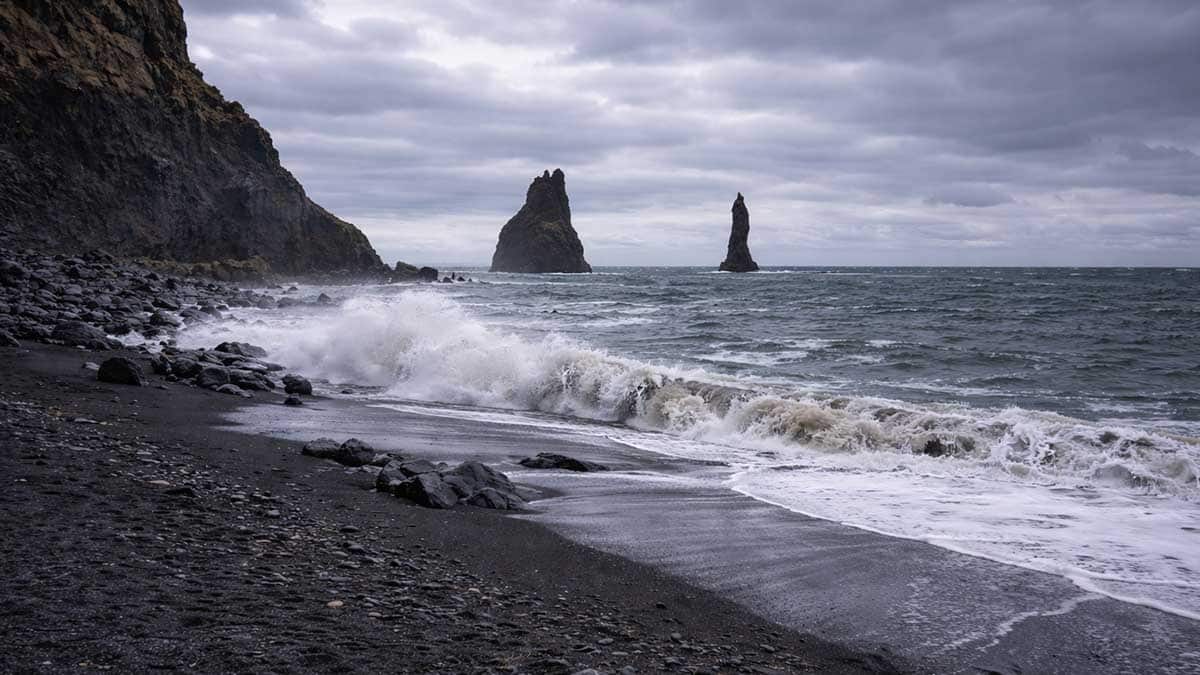
Reynisfjara is one of those places you think you know before you arrive: black sand, basalt columns, a moody Atlantic horizon. Then you step out of the car, hear the surf, and realize the beach is not a postcard, it’s a living edge of land being negotiated by the ocean. What you see online may be outdated, especially after a rough winter stretch.
This piece is a practical, human guide to visiting right now. No drama, no hero shots at the waterline, just clear expectations and simple choices that let you take in the beauty without turning your trip into a bad story.
Bhutan: the country that quietly slows you down (and you’ll thank it for)
Europe in 2026: the trips worth planning around real dates
The beach is changing, and it can happen quickly
Coastal sand is mobile, it comes and goes with swell, wind, and storm cycles. At Reynisfjara, those changes can feel sudden because the setting is steep, the surf is powerful, and the “safe” area can shrink without warning. Less dry sandmeans less room to react if the ocean surges.
If you’ve been here before, you might notice that familiar standing spots are gone or pushed back. If it’s your first visit, you may simply feel that the ocean is “closer” than expected, because it often is. The takeaway is simple: treat the beach like current conditions, not like a memory or a photo.
What you’ll likely notice on site
The first thing most people notice is space, or the lack of it. Where the beach looks narrow, the wet sand zone can dominate, and the wave run-up can reach farther than you’d assume from a quick glance. A narrow shoreline can make crowds bunch up, which is exactly when people start making impulsive moves for photos.
The second thing is how the basalt formations relate to the water. Those iconic columns and rocky features can look more exposed when sand has been pulled away. It’s visually dramatic, but it can tempt visitors into standing in spots where retreat is awkward. The best photos often come from a wider perspective anyway, where you capture the scale of the surf and cliffs, not just a close-up near the danger zone.
The real risk is not “big waves,” it’s surprise waves
Reynisfjara is famous for sneaker waves, the kind that arrive higher and faster than the set you were watching. People get caught because the beach looks calm for a minute, then one surge runs up the sand and steals the ground. “Just one photo” becomes “just one mistake.”
Two practical rules make a huge difference. First, never turn your back on the ocean, even for a second. Second, don’t stand on wet sand, because wet sand is where the ocean has already proven it can reach. If you want to remember one sentence, make it this: if your shoes can get wet, you are too close.
Quick decision table: tempting vs smart
| Temptation | Why it backfires here | The smarter move |
| “I’ll step down to the edge for a photo” | Sneaker waves can run farther than you expect | Stay on dry sand and use zoom |
| “I’ll hug the rocks for a cool angle” | You can get boxed in with no clean retreat | Shoot wider, keep open space behind you |
| “I’ll walk away from the crowd to be alone” | You lose informal warnings and safe cues | Stick to visible areas and signage |
A simple safety checklist that actually helps
Safety advice often sounds generic, but here it’s specific and practical. The goal is not to be scared, it’s to be smart. Distance is your friend, and attention is your tool.
- Stay well back from the waterline, then back up again.
- Keep your eyes on the surf, always, especially when taking photos.
- Avoid standing close to cliffs or rock faces, conditions can change and space can vanish quickly.
- If you see warning signs, barriers, or staff instructions, follow them without debate.
- If the sea feels loud and fast, shorten the visit and view from higher ground.
If you’re unsure about access on the day, check Safetravel before you go. It’s the most useful “should I go right now?” reference for Iceland travel conditions and safety messaging. Local guidance beats tourist confidence.
How to get the “wow” without pushing your luck
A great Reynisfjara visit is usually short, focused, and calm. You arrive, you watch the wave patterns for a few minutes, you find a safe angle on dry sand, and you shoot wide. Wide framing captures the real drama anyway: the black sand, the cliff line, the white surf exploding.
Try this simple 30-minute plan:
- 5 minutes to observe: wave sets, where the wet sand ends, where people cluster.
- 15 minutes for photos and video from a safe zone, ideally with a clear retreat behind you.
- 10 minutes to just stand and listen, because this place is an experience, not only a shot.
If conditions feel sketchy, make it even shorter. You don’t “complete” Reynisfjara by walking farther. You complete it by leaving with the right memories and the same number of dry socks.
What to expect emotionally, and why that’s part of the trip
Europe’s 2026 travel shortlist: Madeira, Tbilisi, Milan, Glasgow
Too hot, too crowded: 3 cool European getaways that actually feel good
Reynisfjara can feel intense, even for seasoned travelers. The sound, the wind, the scale of the Atlantic, it’s a lot. That intensity is part of why people love it, and also why people make mistakes. Adrenaline can trick you into one extra step.
The most grounded mindset is humility. This is not a beach you conquer. It’s a coastline you visit on its terms. If you treat it that way, you’ll still get the magic, and you’ll avoid turning a beautiful stop into a stressful one.