Show summary Hide summary
- The base strategy that works
- The 14-day route (simple and efficient)
- The 21-day route (slower, more variety)
- 2) Ubud (without burning out): the right start, If you don’t stay in the center
- 3) North Bali (Munduk): cooler air, waterfalls, and a quieter Bali
- 4) Gili Islands or Nusa Penida: pick your island like you pick your mood
- 5) Uluwatu: the perfect finish (beaches, cliffs, and a calm exit)
Summary:
- Two ready-to-follow routes: 14 days or 21 days
- The best bases: Ubud, Munduk (North Bali), islands, Uluwatu
- A clear choice: Gili Islands or Nusa Penida?
- Less time in traffic, more real moments
- Practical tips to avoid crowds and classic planning mistakes
Bali looks small on the map, but once you’re on the road, it doesn’t feel that way at all. Traffic can turn a short distance into a half-day mission, and changing hotels every two nights quickly becomes a chore. A lot of “Bali disappointments” aren’t about the island, they’re about an itinerary that asks too much.
This guide is built around one simple idea: move less, enjoy more. You’ll find two realistic routes, a 14-day version and a 21-day version, plus clear advice on where to base yourself and how to choose between the islands. Nothing complicated, just a plan that works.
Bhutan: the country that quietly slows you down (and you’ll thank it for)
Europe in 2026: the trips worth planning around real dates
1) 14 days or 21 days: pick your pace before you pick your spots
The best question isn’t “What do I have to see?”. It’s this: How much time am I willing to spend in a car? In Bali, distances are deceptive. You can burn hours without even noticing, especially if you try to cover the south, the center, the north, and the islands in one go.
The classic mistake is jumping between places too often because it feels “efficient”. In reality, it’s exhausting. The better move is to choose 3 to 5 bases depending on your timeframe, and explore from each base instead of constantly relocating.
The base strategy that works
| Trip length | Best for | Recommended bases | Pace |
| 14 days | First trip + want the highlights | Ubud, Munduk, islands, Uluwatu | Balanced |
| 21 days | More comfort + less rushing | Ubud, North, Sidemen/Amed, islands, Uluwatu | Easygoing |
The 14-day route (simple and efficient)
- Days 1 to 4: Ubud
- Days 5 to 7: North Bali (Munduk)
- Days 8 to 11: Islands (Gili OR Nusa Penida)
- Days 12 to 14: Uluwatu
The 21-day route (slower, more variety)
- Days 1 to 5: Ubud
- Days 6 to 9: North Bali
- Days 10 to 12: Sidemen or Amed
- Days 13 to 17: Islands (Penida + Lembongan OR Gili)
- Days 18 to 21: Uluwatu
One simple tip: if you add one stop in the 3-week version, add Sidemen or Amed. It breaks up the trip, gives you a calmer Bali, and helps you reset mid-journey.
2) Ubud (without burning out): the right start, If you don’t stay in the center
Ubud is a great starting point. You can eat well, find accommodation at every price point, and do plenty of day trips without complicated logistics. It’s also one of the easiest places to settle in and find your rhythm, which matters more than people think.
The key is not to stay right in the center. Central Ubud can feel busy, noisy, and clogged with scooters. If you stay 10 minutes out, you often get better sleep, calmer mornings, and a more pleasant “Bali feeling” from day one.
What to do in Ubud without turning it into a checklist
- Walk the Campuhan Ridge Walk early in the morning
- Visit the Monkey Forest with your bag properly closed
- Get a Balinese massage, especially after a long day
- Eat at a warung for simple, local dishes
- Leave one half-day open, just to slow down

Day trips that are actually worth it
- Tegallalang rice terraces, beautiful but crowded, go early
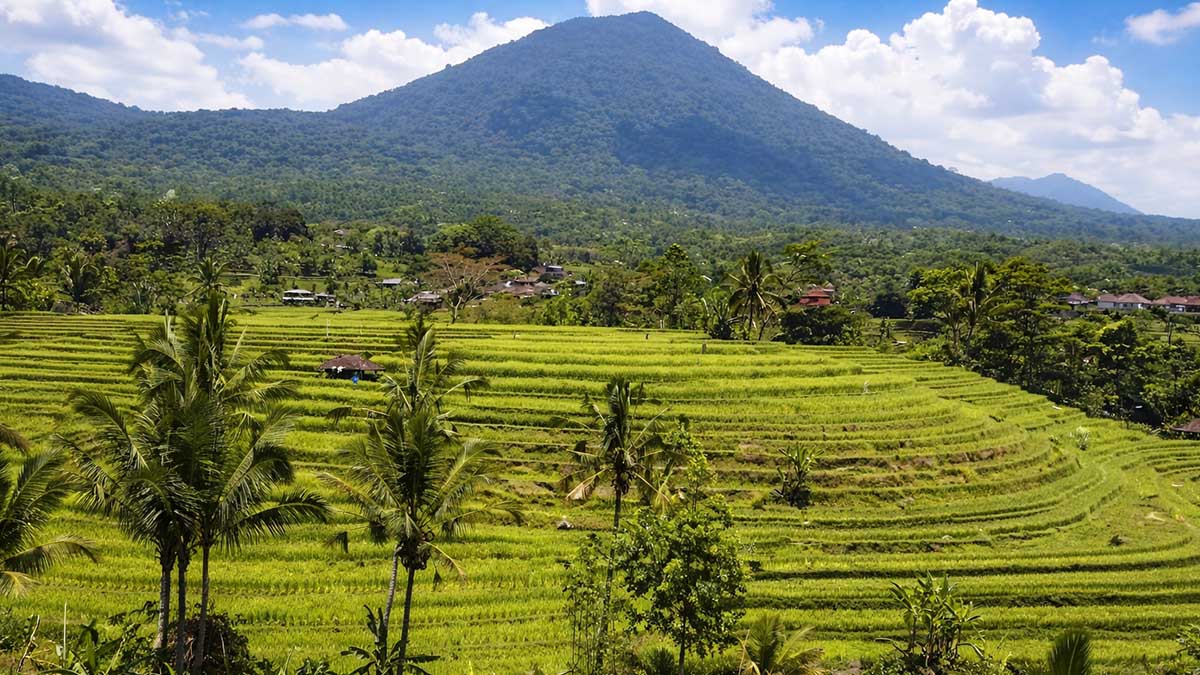
- Jatiluwih rice terraces, wider and usually more peaceful
- One nearby waterfall if you want a quick taste, but don’t overdo it
A smart move is to save your “big waterfall day” for the north. Munduk usually delivers better scenery with less pressure.
Where to stay (the choice that changes everything)
Ubud is simply nicer when you sleep away from the busiest streets. You’ll feel the difference in your energy, your mornings, and your patience with traffic.
3) North Bali (Munduk): cooler air, waterfalls, and a quieter Bali
North Bali often surprises people. It doesn’t feel like a “detour”, it feels like the part of the trip where you finally breathe. The air is cooler, the landscapes are deeper, and the overall pace is calmer.
Munduk is a strong base because you can see waterfalls, lake viewpoints, and mountain roads without doing endless transfers. It’s nature-focused Bali, but still easy to handle.
What to do around Munduk
- Choose 2 or 3 waterfalls and enjoy them properly
- Visit viewpoints over Buyan Lake and Tamblingan Lake
- Take a slow drive through plantations and stop whenever you feel like it
A practical note: roads here can be winding and sometimes foggy. If you’re not confident on a scooter, hiring a driver for a day can be a really good call. You’ll enjoy the scenery instead of fighting the road.
This area can also feel a bit lighter on the budget compared to the south, especially for accommodation and food, which makes it a good place to slow down without overspending.
4) Gili Islands or Nusa Penida: pick your island like you pick your mood
The islands can be the best part of the trip, but only if you choose the right one. Boats, transfers, and sea conditions can add friction, so this choice is worth thinking about.
Keep it simple: do you want rest and snorkeling, or do you want raw scenery and viewpoints?
If you want easy beach days and snorkeling: the Gili Islands
The Gilis are “holiday mode”. You bike around, snorkel easily, watch the sunset, and keep your days light.
A quick guide:
- Gili Air: the best balance, calm but not boring
- Gili Trawangan: more nightlife
- Gili Meno: very quiet
You’ll also see horse-drawn carts on the islands. Some travelers avoid them and stick to walking and cycling instead, which is simple and enjoyable.
If you want dramatic cliffs and postcard views: Nusa Penida
Nusa Penida is visually intense. Cliffs, viewpoints, and stunning beaches. The trade-off is that roads can be rough, distances are longer than expected, and the logistics take more effort.
If you want a smoother version, combine Nusa Penida and Nusa Lembongan. Lembongan is easier, calmer, and a great place to slow down after Penida.
5) Uluwatu: the perfect finish (beaches, cliffs, and a calm exit)
Uluwatu is a great final base. You get the surf vibe, cliff sunsets, and beach time, and you’re closer to the airport, which makes the last days much less stressful.
The mistake here is trying to cram everything in. Uluwatu works best when you keep it simple: one beach, one sunset, a good dinner, and early nights if you need them.
What to do without exhausting yourself
- Choose one or two beaches per day, because there are often stairs
- Catch a sunset from a viewpoint or a beach club
- Take a surf lesson if you’ve been tempted
- Visit a temple if you’re curious, with appropriate clothing
Beaches people consistently enjoy
- Padang Padang
- Dreamland
- Uluwatu Beach
- A quieter beach if you don’t mind walking
Reynisfjara right now: what changed on Iceland’s black sand beach
Europe’s 2026 travel shortlist: Madeira, Tbilisi, Milan, Glasgow
And what about Canggu, Seminyak, or Kuta? They’re not “bad”. They’re just a different Bali: more urban, more trendy, more nightlife. If you’re here for landscapes and slow mornings, you can skip them without regret.
Bali isn’t a destination you “complete”. It’s a destination you adjust. Once you accept fewer moves, everything feels easier. You stop rushing, you start noticing small moments, and the island finally feels like the Bali you imagined.If you’re unsure, follow the 14-day route. And if you have a third week, add Sidemen or Amed. That’s often the point where people say, “Okay, now I’m really in Bali.”