Show summary Hide summary
Summary:
- See the day rise above volcanic landscapes far from the shoreline.
- Follow a coastal road where stopping matters more than arriving.
- Watch turtles rest while surfers read the wind.
- Spend time in towns that still move at their own rhythm.
People often describe Maui as one of Hawaii’s most beautiful islands. That description is accurate, but incomplete. What truly stays with visitors is not just what they see, but how the island reshapes their sense of time. Days unfold more slowly. Mornings feel quieter. Distances seem longer than expected.
Maui does not reward rushed itineraries. It favors attention, patience, and curiosity. Volcanoes, forests, beaches, and small towns coexist without competing for attention. This guide focuses on places that reflect Maui’s rhythm rather than its highlights. Some places are meant to be felt, not rushed through.
Bhutan: the country that quietly slows you down (and you’ll thank it for)
Europe in 2026: the trips worth planning around real dates
Where the island breathes higher: Haleakalā and the Upcountry
At over 3,000 meters, Haleakalā rises above the rest of Maui, both physically and emotionally. Reaching the summit before sunrise means driving through darkness and silence. The cold surprises many visitors, reinforcing the feeling of being somewhere apart from the coast.
As daylight appears, it does so gradually. The crater reveals raw volcanic textures and shifting shadows rather than dramatic color. Conversations often fade here, replaced by quiet observation.
Descending from the summit leads into the Upcountry, around Makawao and Kula. This part of the island feels grounded and lived-in. Farms, galleries, and narrow roads replace the openness of the crater. It is a side of Maui that many overlook, yet it often leaves a lasting impression.
The road to Hāna: when slowing down becomes the point
The Road to Hāna is not about efficiency. It is shaped by curves, bridges, and frequent pauses. Progress is slow by design, and that slowness becomes part of the experience.
Waterfalls appear between turns. Jungle presses close to the road. Small fruit stands invite unplanned stops. You pause not because you scheduled it, but because the road quietly demands it.
Near the end, the Pīpīwai Trail offers a walk through tall bamboo before opening onto Waimoku Falls. Nearby black sand beaches remind visitors that Maui is, above all, a volcanic island shaped by nature.
Beaches that do not all feel the same
Maui’s beaches reflect their exposure to wind and current rather than a single tropical image. On the north shore, Ho‘okipa Beach belongs to surfers and sea turtles. Waves break hard, wind stays constant, and turtles rest on warm rocks later in the day.
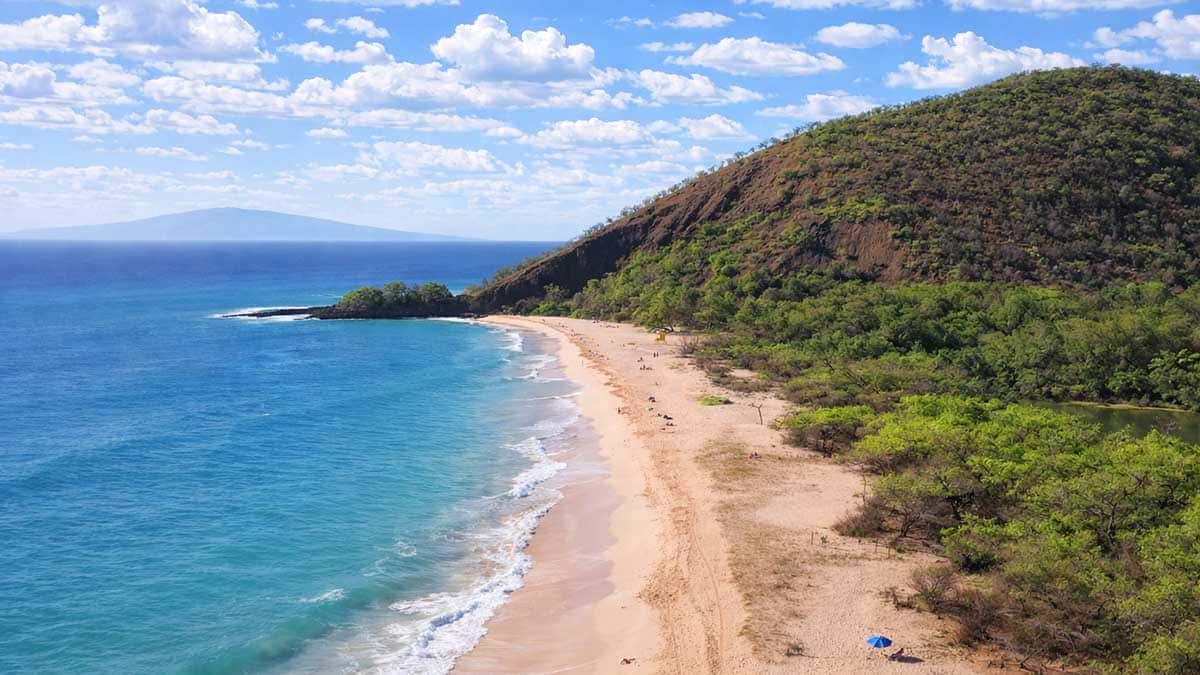
Further south, Makena Beach opens wide. The shoreline feels expansive, with space to walk and observe. Ocean conditions can shift quickly, but calm mornings reveal clear water and long stretches of sand.
Around Kīhei and Wailea, beaches feel more predictable. Early hours bring calmer seas and accessible snorkeling close to shore.
| Area | When it works best | What defines it |
| Ho‘okipa | Late afternoon | Wind and surf, turtles on the rocks |
| Makena | Morning | Open shoreline, shifting conditions |
| Wailea | Early day | Calm water, reef snorkeling |
| Kīhei | Morning | Easy access, gentle coves |
Towns that hold the island together
Maui’s towns anchor its identity. Lahaina, long a cultural and historical center, still carries the weight of its past. Even after recent hardship, its sense of place remains visible through its people and shared memory.
On the north shore, Paia offers a different energy. Surfboards line the streets. Cafés fill slowly. Conversations unfold without urgency. The town feels shaped by daily life rather than tourism.
Reynisfjara right now: what changed on Iceland’s black sand beach
Europe’s 2026 travel shortlist: Madeira, Tbilisi, Milan, Glasgow
Across the island, one idea remains consistent. Visitors are guests. Respect shows up in simple actions, from following local guidance to supporting small businesses. It is not complicated, and it matters.
Maui does not deliver instant spectacle. What it offers instead is balance. High ground and shoreline. Wind and calm. Movement and pause.Those who slow down often leave with more than images. They leave with the feeling of having experienced something real, shaped by time and attention, not performance.