Show summary Hide summary
- Where to stay (so your trip does not turn into a suitcase workout)
- The 7-day itinerary that feels good (and still covers the essentials)
- Day 1: Bari, a quick taste, then straight to the coast
- Day 2: Polignano a Mare, cliffs and morning light
- Day 3: Monopoli, harbour life and a slower vibe
- Day 4: Alberobello, then escape to Locorotondo
- Day 5: Cisternino and Ostuni, calm first, then the white city
- Day 6: Lecce, the golden city day
- Day 7: Matera, the bonus day you will remember
- Getting around: car, train, or scooter
- When to go (and how to enjoy summer without suffering)
Summary:
- A 7-day itinerary that keeps driving short and days enjoyable.
- The best bases to avoid moving every night.
- Coast, trulli villages, and white towns in the right order.
- Car vs train, what is realistic in one week.
- ZTL and parking tips that can save you from a bad surprise.
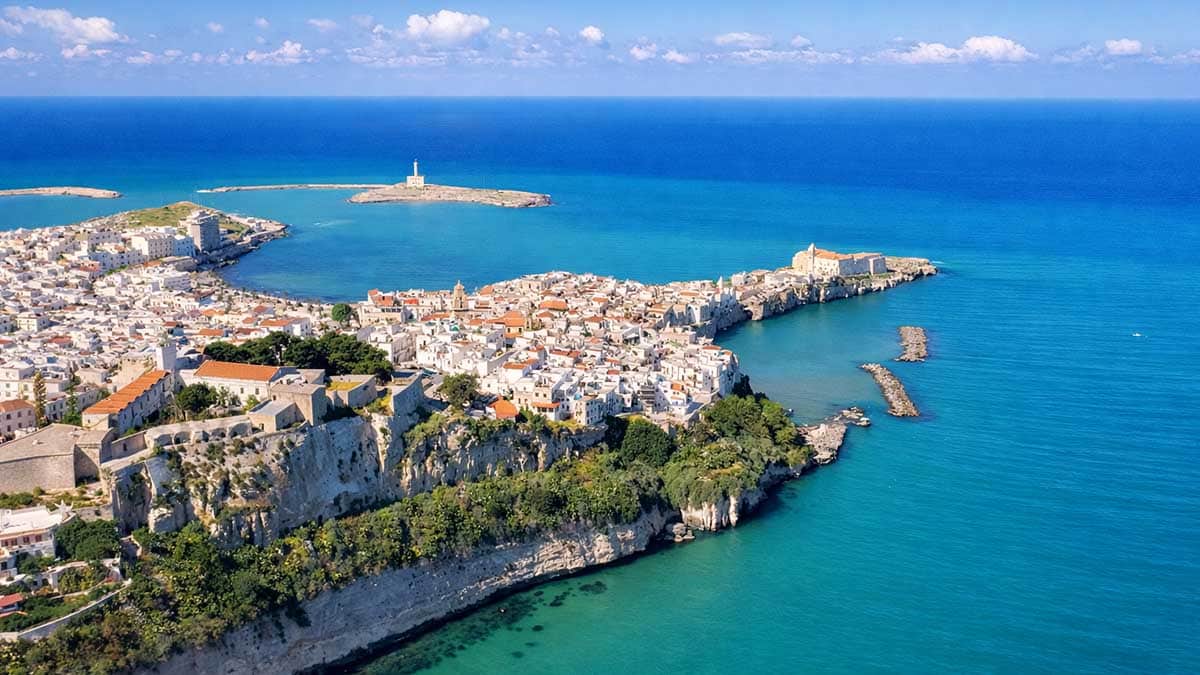
Puglia (the heel of Italy) is not the place you visit with a stopwatch. It works best when you leave room for late breakfasts, slow walks through white streets, and a lunch that accidentally turns into two quiet hours.
With one week, the trick is to keep things close and stop trying to cover the whole region. This route sticks to central Puglia, adds Lecce for its golden streets, and includes Matera as a bonus day because it feels too special to ignore.
Bhutan: the country that quietly slows you down (and you’ll thank it for)
Europe in 2026: the trips worth planning around real dates
Where to stay (so your trip does not turn into a suitcase workout)
Puglia is stretched out, and that is what traps a lot of people. They book a new hotel every night, spend half the trip on the road, and arrive in each town already tired. You do not need that if you pick a smart base.
A better approach is to choose one main base in central Puglia, close to the coast and the inland villages. Then decide if you want one or two nights in Lecce, or simply visit it as a day trip.
Bases that make life easy
- Monopoli: pretty, walkable, and a great launchpad for day trips.
- Polignano a Mare: stunning views, but busy and often pricier.
- Fasano / Savelletri: quieter, countryside vibe, excellent location.
- Lecce: perfect if you want a proper city feel for a couple of nights.
A simple way to choose is this. If you want morning swims and seaside evenings, Monopoli is a safe bet. If you want calm nights and olive trees, Fasano is often better.
One thing people underestimate is parking. If you rent a car, choosing a place with easy parking access saves time and nerves every day.

The 7-day itinerary that feels good (and still covers the essentials)
This plan is not about squeezing everything in. It is about getting the best moments and keeping your days enjoyable. Most trips are short, so you have time to actually wander slowly, sit down, and breathe.
Day 1: Bari, a quick taste, then straight to the coast
Bari is often just a gateway, but it is worth a few hours if your flight lands early. The old town has real energy and a very local feel.
What to do in 2 to 3 hours:
- Walk through Bari Vecchia
- Grab a focaccia barese
- Sit by the sea for a first pause
Then head to your base and keep the evening light. Starting calm makes the whole week feel smoother.
Day 2: Polignano a Mare, cliffs and morning light
Polignano is famous for its cliffs and that postcard view over Lama Monachile. The town is at its best early in the day, when the streets feel calmer and the light is softer.
A simple plan:
- Start with the viewpoints above Lama Monachile
- Wander the old town before it gets busy
- Swim if the sea is calm and you feel like it
Polignano works perfectly as a morning town, especially if you want the view without the crowd.
Day 3: Monopoli, harbour life and a slower vibe
Monopoli is different from Polignano. It feels more lived-in, more relaxed, and less staged. It is a great place to spend a day doing simple things, like walking, eating, and sitting by the water.
A good Monopoli day looks like this:
- Harbour stroll and old town lanes
- A long lunch
- A swim if you want it
- An aperitivo near sunset
The best part is that you do not need a strict plan. Monopoli is built for slow travel.
Day 4: Alberobello, then escape to Locorotondo
You cannot go to Puglia and skip Alberobello. The trulli district is a UNESCO World Heritage site, and it really is unique. The downside is that it can get crowded, so timing matters.
How to do it right:
- Arrive before 10:00
- Walk through the trulli streets while it is quiet
- Pick one viewpoint or short visit for context
- Leave and head to Locorotondo
Locorotondo is the calm version of this area. It is clean, white, peaceful, and perfect for an unhurried afternoon.
Day 5: Cisternino and Ostuni, calm first, then the white city
This day is one of the best balances in central Puglia. Cisternino is small, gentle, and perfect for a slow morning. Ostuni is bigger, brighter, and built like a maze.
For the best vibe:
- Start in Cisternino with coffee and a short walk
- Go to Ostuni in late afternoon
- Stay for the evening light and the views
- Wear good shoes, because the streets can be steep
Ostuni is not about rushing through sights. It is about getting lost a little, then finding your way again.
Day 6: Lecce, the golden city day
Lecce is a change of mood. It is more architectural, more urban, and made for long evenings. Even if you are not obsessed with monuments, you will enjoy the city because it is walkable and full of little squares.
A relaxed Lecce route:
- Basilica di Santa Croce
- Cathedral square
- A long walk after dinner
If you are tired, skip the long list. One good walk and one good meal is often the best Lecce plan.
Day 7: Matera, the bonus day you will remember
Matera is not in Puglia, but it is close enough and hard to describe until you see it. The old districts are carved into rock and the city feels layered. It is also a UNESCO World Heritage site.
How to visit:
- Day trip from Bari or central Puglia
- If you can stay one night, the atmosphere after dark is special
Matera is a great final day because it feels like a strong ending. It is different from everything else you saw.
Getting around: car, train, or scooter
If your plan includes inland villages like Locorotondo and Cisternino, a car makes everything easier. If you prefer not to drive, you can still build a good trip with coastal towns and bigger cities.
Quick comparison
| Option | Best for | Pros | Cons |
| Train + local buses | Budget and low-stress | Cheap, no driving | Villages can be inconvenient |
| Rental car | Freedom | Easy day trips | Parking and ZTL zones |
| Scooter | Short hops | Scenic and fun | Weather and comfort limits |
Many old towns have ZTL restricted traffic zones. If you enter by mistake, you may get fined later. The safest habit is to park outside the historic centre and walk in.
When to go (and how to enjoy summer without suffering)
Puglia is lovely almost year-round, but the experience changes with the season. Late spring and early autumn are usually the easiest.
Best months:
- May, June, September, October
These months feel warm and pleasant, but still manageable for bookings and crowds.
The challenging months are July and August. It is hotter, busier, and often more expensive. If you go in summer, start early, rest in the afternoon, then go out again after 6 PM. It makes everything feel lighter and calmer.
Reynisfjara right now: what changed on Iceland’s black sand beach
Europe’s 2026 travel shortlist: Madeira, Tbilisi, Milan, Glasgow
A week in Puglia is enough to build a trip that feels complete, as long as you do not try to do it all. Choose a good base, keep driving short, visit the busiest towns early, and leave room for slow lunches and quiet evenings.
Do that, and you will get what people love about Puglia. It is simple beauty, good food, and a rhythm that makes you stop checking the time.