Show summary Hide summary
Summary:
• How to choose family destinations based on your children’s age and energy.
• Why the same place can feel overwhelming for toddlers and exciting for teenagers.
Bhutan: the country that quietly slows you down (and you’ll thank it for)
Europe in 2026: the trips worth planning around real dates
• How seasons quietly influence comfort, rhythm, and family balance.
• Which environments work best for young children, curious kids, and teens.
• What actually makes a family trip smoother, beyond distance and budget.
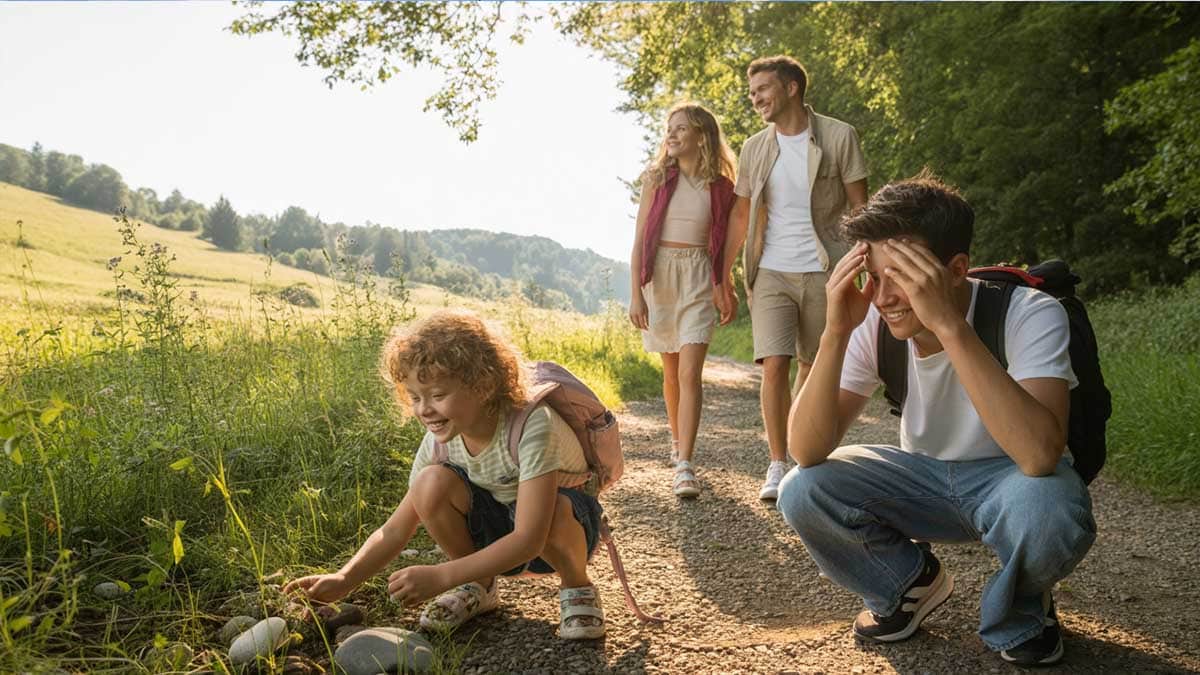
Children do not experience travel the way adults do. They react instinctively to noise, weather, fatigue, and unfamiliar rhythms. A lively city might excite a teenager while exhausting a younger child in a matter of hours. The success of a family trip often depends less on the destination itself than on choosing the right moment to go.
This guide looks at family travel without rankings or shortcuts. Instead, it connects destinations to children’s ages and seasonal conditions, with one simple idea in mind: helping families choose places that feel natural, reduce unnecessary tension, and leave room for shared moments that actually matter.
Age before distance: the real key to family travel
You do not need to cross the world to make a trip memorable. What matters is whether the destination matches where your children are, emotionally and physically.
Young children look for stability. They need familiar rhythms, short distances, and environments that do not constantly demand attention. As they grow, their curiosity shifts. They begin to observe, compare, and ask questions. Travel stops being something that happens around them and becomes something they actively take part in.
| Age range | What children respond to | Travel focus |
| 0-5 years | Calm, repetition, comfort | Nature, slow days, short outings |
| 6-11 years | Discovery, animals, stories | Exploration, hands-on experiences |
| 12-17 years | Autonomy, meaning, contrast | Culture, adventure, everyday life |
When a destination respects these needs, the trip feels smoother for everyone, parents included.
Cold destinations that leave a lasting mark
Cold places are often overlooked by families, yet they tend to leave some of the strongest impressions.
Snow-covered landscapes slow the pace almost automatically. Children focus on simple sensations: the crunch of snow under their boots, the silence of wide spaces, the surprise of spotting wildlife. For older children and teenagers, these environments invite observation rather than constant movement.
These destinations often suit children who enjoy outdoor activities, as well as teenagers drawn to photography, wildlife, or unusual landscapes. Families usually notice well-organized infrastructure, clear seasonal activities, and a feeling of sharing something out of the ordinary. Cold trips require preparation, but they often reward families with moments of attention and connection that are harder to find elsewhere.
Warm destinations that make life easier with young children
For families traveling with very young children, warm destinations often feel like a welcome relief.
Mild climates reduce friction. Fewer clothes, outdoor meals, and easy access to water simplify daily routines. Beaches, lagoons, and quiet coastal areas invite children to move freely without constant supervision or strict schedules.
These destinations work particularly well because days adapt naturally to naps and early evenings, sensory stimulation stays gentle, and parents can slow down without feeling like they are missing out. These trips are less about doing more and more about letting children explore at their own rhythm.
Nature trips where curiosity takes the lead
Some destinations turn curiosity into learning without trying too hard.
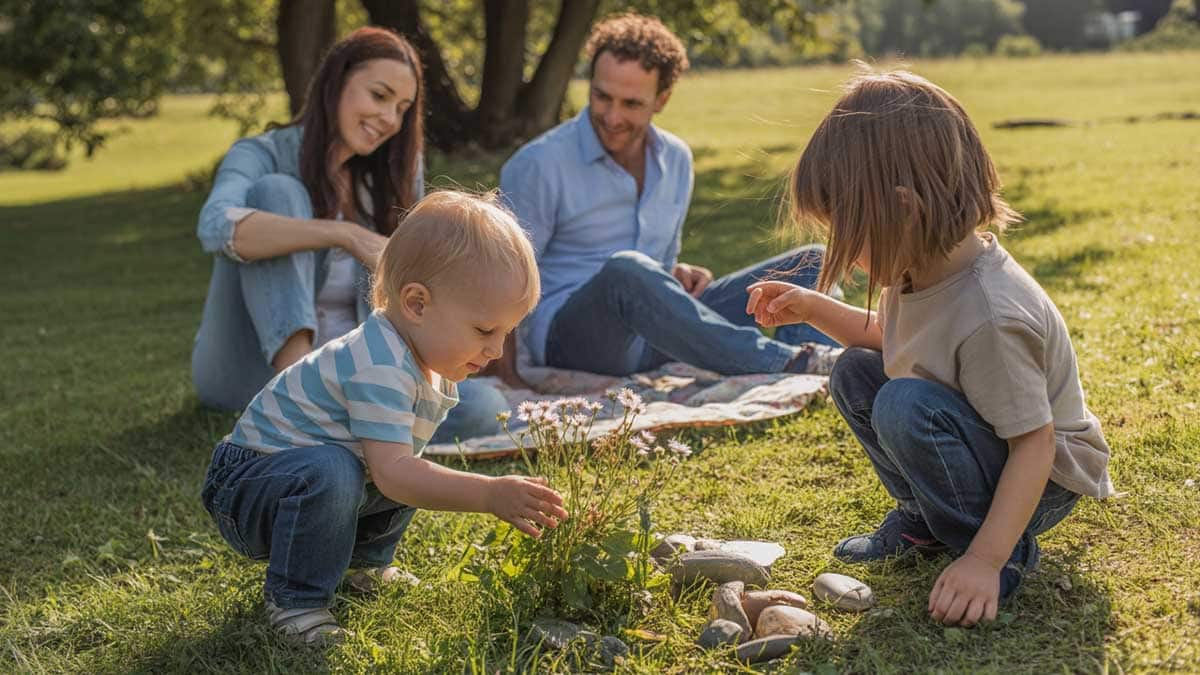
Rainforests, volcanic areas, and regions rich in wildlife offer experiences that feel alive and unscripted. Animals are not attractions behind glass, and landscapes are not just backgrounds for photos. Children learn by watching, listening, and sometimes waiting.
These trips stay memorable because movement keeps children engaged, learning happens naturally, and encounters feel spontaneous and real. Local guides often make the difference, turning what children see into simple stories that stay with them long after the trip ends.
Cultural journeys that speak to teenagers
Teenagers tend to respond best to travel that feels authentic rather than curated.
They are often more interested in how people live than in monuments themselves. Cities, neighborhoods, markets, and shared public spaces offer a window into everyday life. When paired with nature or quieter moments, these destinations strike a balance between stimulation and breathing room.
Teenagers usually appreciate a sense of freedom within clear boundaries, direct contact with local life, and places that challenge their assumptions. These journeys often become reference points, shaping how young travelers see the world and their place in it.
Reynisfjara right now: what changed on Iceland’s black sand beach
Europe’s 2026 travel shortlist: Madeira, Tbilisi, Milan, Glasgow
There is no perfect family destination. There is only the right place at the right time.
By paying attention to age, season, and rhythm, families can choose trips that feel fluid rather than forced. These journeys may look simple on a map, but they are often the ones children remember most, long after the suitcases are back in the closet.